Data centers run on uptime. Behind the servers, switches and power systems, a network of mechanical and utility systems must keep temperature, pressure, flow and safety conditions under control around the clock. Valves are small compared with chillers, cooling towers or generators, but they directly affect how reliably those systems start, stop, isolate and control.
In a modern facility, data center valves are used across cooling loops, HVAC circuits, utility water systems, backup fuel lines, fire suppression systems and automation packages. The most common categories include control valves, butterfly valves, ball valves, valve actuators, check valves, pressure relief valves, regulators, manifolds and solenoid or pneumatic valves.
Why Valves Matter in Data Center Infrastructure
A data center valve is not selected only for basic open and close service. The valve has to support system uptime, thermal stability, energy efficiency, maintainability and safety. When a cooling loop is not balanced, hot spots can develop. When a valve cannot isolate equipment cleanly, maintenance becomes more disruptive. When an actuator responds too slowly or lacks reliable feedback, the building management system has less control over critical infrastructure.
Valves are typically used in six major data center system areas:
- Mechanical and cooling systems, including chillers, cooling towers, CRAH units, cooling loops and heat rejection equipment.
- Primary power generation systems that support continuous electrical supply.
- Backup power generation systems, including fuel, cooling and auxiliary circuits.
- IT spaces where airflow, temperature and environmental control are critical.
- Utility systems such as cooling water, makeup water and treatment loops.
- Safety and control systems, including fire suppression, pressure protection and automated shutdown functions.
Main Data Center Valve Types at a Glance
| Valve type | Main function in data centers | Common applications | Key selection factors |
|---|---|---|---|
| Control valve | Modulates flow or pressure | Cooling loops, chilled water, process cooling, HVAC control | Control accuracy, Cv, rangeability, actuator and positioner compatibility |
| Butterfly valve | Isolates or throttles larger lines with compact footprint | Chillers, cooling towers, condenser water, chilled water headers | Seat material, body style, shutoff class, torque and space constraints |
| Ball valve | Provides fast, tight shutoff and high flow capacity | Smaller cooling lines, fuel lines, HVAC circuits, utility skids | Full port vs reduced port, floating vs trunnion, material and fire-safe needs |
| Actuator | Automates valve movement | Remote isolation, modulating control, BMS integration, emergency shutdown | Electric vs pneumatic, torque, fail position, feedback and enclosure rating |
Control Valves for Data Center Cooling Loops
Control valves are used when the system needs accurate modulation rather than simple shutoff. In data centers, their primary job is to regulate the flow of water or another cooling medium so the facility can maintain stable thermal performance as IT load changes.
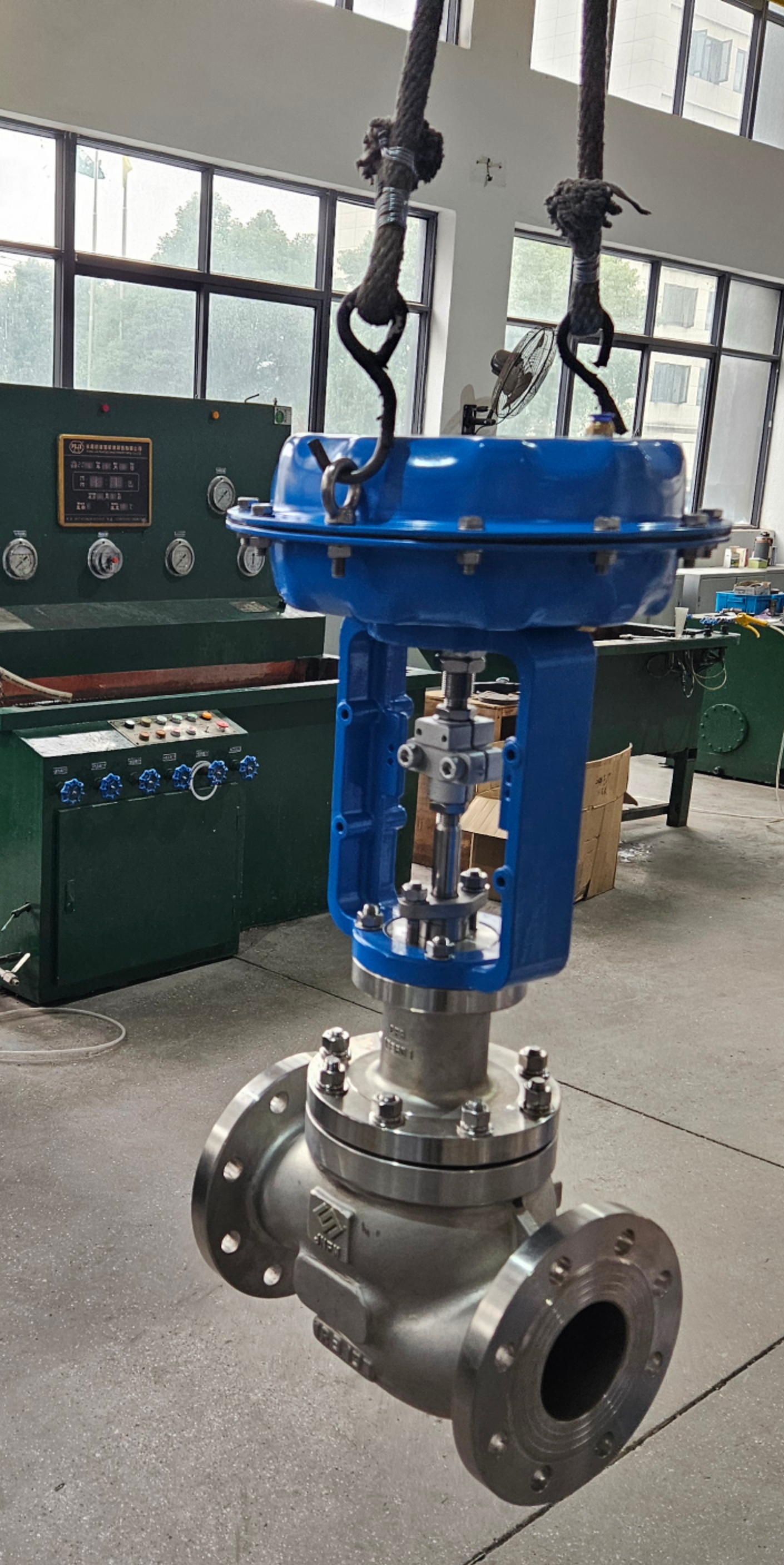
In a cooling loop, control valves may help balance flow between equipment branches, maintain differential pressure, regulate supply temperature or support variable flow strategies. When server density increases, cooling demand can change quickly. A properly sized control valve allows the automation system to respond without creating excessive pressure drop, hunting or unstable flow.
Typical data center control valve applications include:
- Chilled water flow control to CRAH or air handling equipment.
- Condenser water flow control around chillers and cooling towers.
- Bypass control in primary-secondary cooling loops.
- Pressure or temperature control in utility water circuits.
- Precision flow control for high-density cooling and liquid cooling support systems.
Butterfly Valves for Chillers, Cooling Towers and Large Lines
Butterfly valves are widely used in data centers because they offer a compact design, low weight and big flow capacity for medium and large pipe sizes. They are especially useful where space is limited, such as mechanical rooms, cooling plant headers and utility skids.
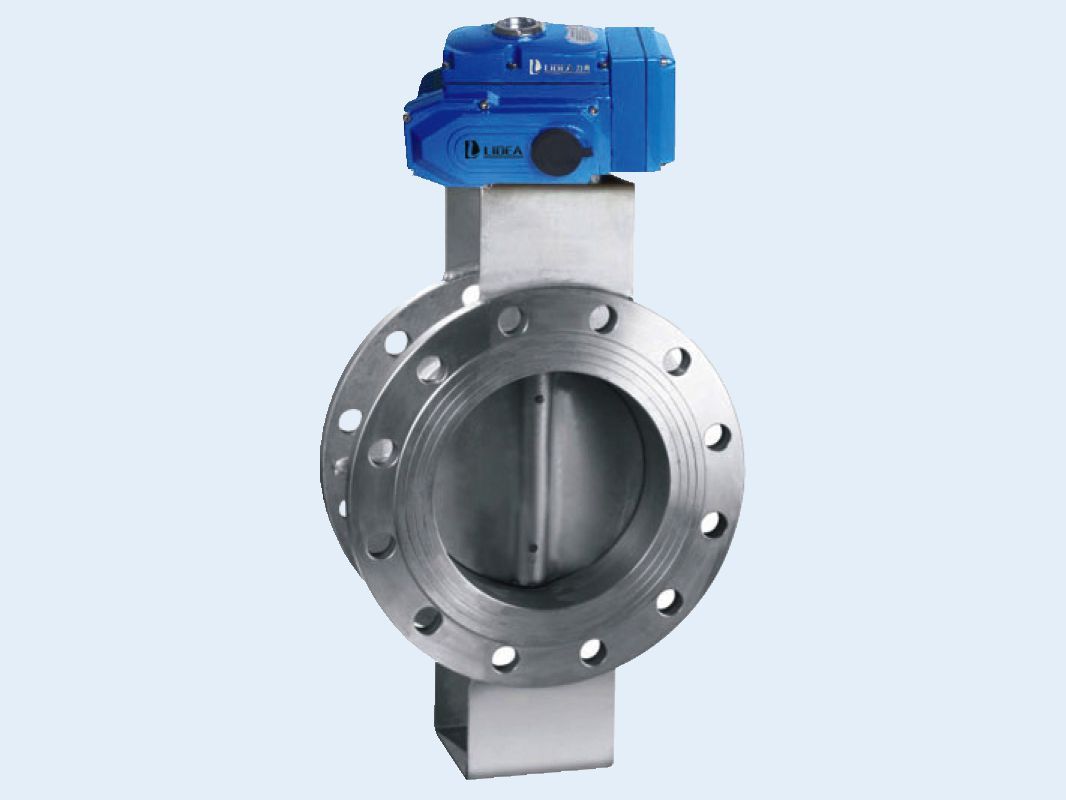
In data center cooling systems, butterfly valves may be used for both isolation and throttling. A resilient seated butterfly valve can provide tight shutoff in chilled water or condenser water service, while a high-performance butterfly valve may be selected for more demanding pressure, temperature or control requirements.
Typical butterfly valve applications include chiller isolation, cooling tower isolation and flow control, condenser water and chilled water headers, pump suction and discharge isolation, heat exchanger isolation and large-diameter utility water lines.
Ball Valves for Tight Shutoff and Fast Operation
Ball valves are valued for reliable shutoff, quick quarter-turn operation and high flow capacity. In data centers, they are commonly used where the system needs dependable isolation with minimal pressure loss, especially on smaller line sizes or packaged systems.
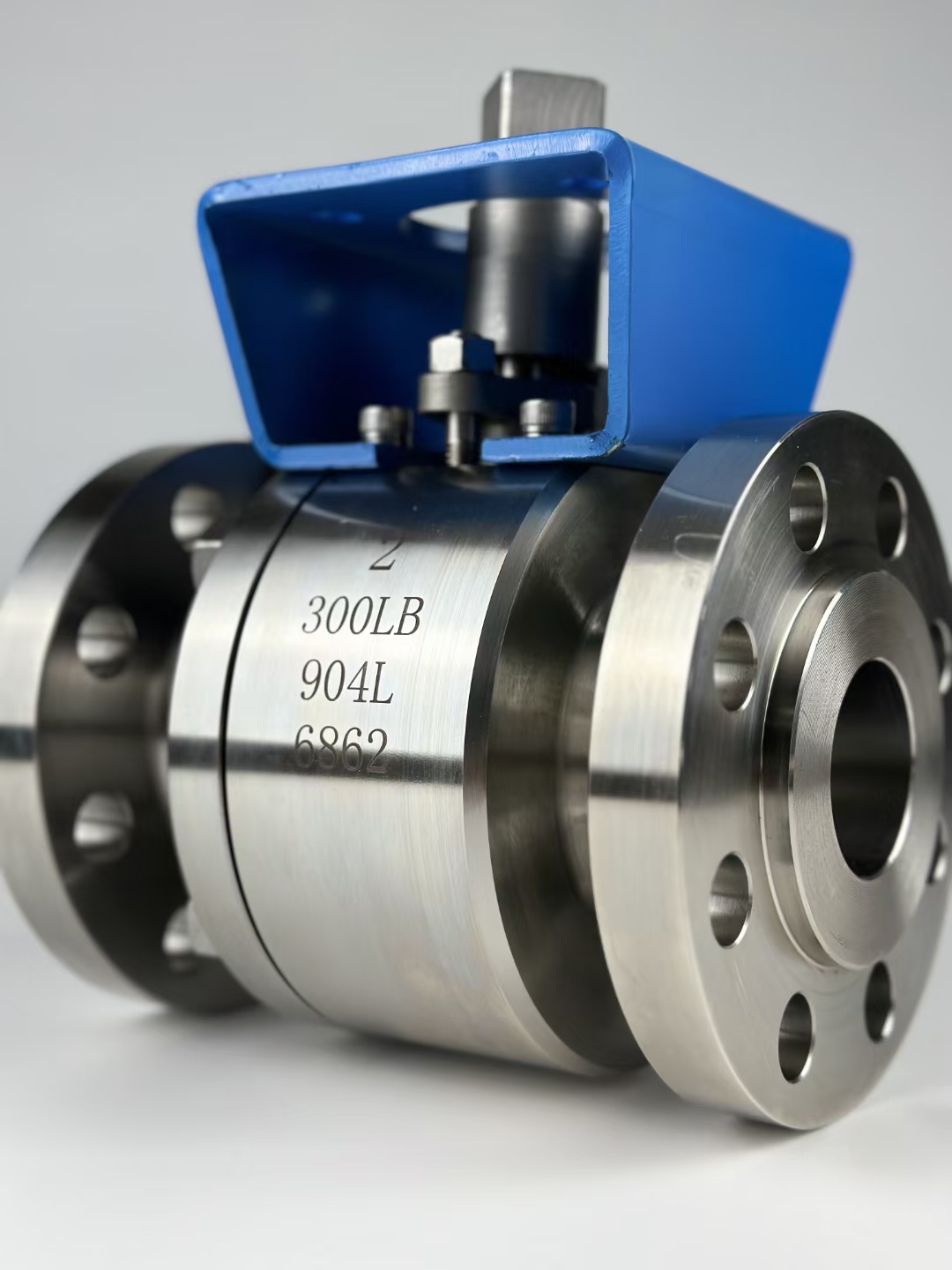
A ball valve uses a rotating ball with a bore through the center. When the bore aligns with the pipe, flow passes through. When turned 90 degrees, the solid side of the ball blocks the flow. This simple operating principle makes ball valves durable and easy to automate with quarter-turn actuators.
Common data center ball valve applications include isolation on cooling water branches, fuel lines for backup generators, utility water systems, drain and bypass lines, packaged equipment isolation and emergency shutoff applications when paired with an actuator.
Other Valves Used in Data Centers
Check Valves
Check valves prevent reverse flow. They are commonly installed at pump discharge points, in cooling loops, fuel lines and fire suppression networks. In data centers, preventing backflow helps protect pumps, avoid contamination and reduce the risk of hydraulic shock.
Pressure Relief and Safety Valves
Pressure relief valves protect piping, vessels and equipment from overpressure caused by thermal expansion, blocked discharge, equipment faults or abnormal operation. They are especially important in closed-loop systems where pressure can rise quickly.
Regulators, Manifolds and Solenoid Valves
Regulators maintain stable downstream pressure in fuel gas, utility and other process lines. Manifolds support instrumentation and differential pressure measurement, making maintenance and calibration easier. Solenoid valves provide fast automated switching for safety shutoff, fire suppression support and pneumatic control circuits.
Data Center Valve Selection by Application
| Application | Typical valve types | Why they are used |
|---|---|---|
| Chilled water loop | Control valve, butterfly valve, check valve | Flow modulation, equipment isolation and backflow prevention |
| Cooling tower system | Butterfly valve, control valve, actuator | Large-line isolation and responsive flow control |
| CRAH/AHU cooling branch | Control valve, ball valve, actuator | Precise thermal control and local isolation |
| Backup generator fuel line | Ball valve, regulator, solenoid valve | Tight shutoff, pressure control and automated safety action |
| Pump station | Butterfly valve, check valve, actuator | Isolation, reverse-flow protection and remote operation |
FAQ
What are the main types of valves used in data centers?
The main data center valve types include control valves, butterfly valves, ball valves, actuators, check valves, pressure relief valves, regulators, manifolds, solenoid valves and air-operated valves. Control valves, butterfly valves, ball valves and actuators are among the most common in cooling and utility systems.
Why are control valves important in data center cooling systems?
Control valves modulate cooling water or other media to maintain balanced flow and stable temperature. They help the cooling system respond to changing IT loads while supporting uptime and energy efficiency.
Where are butterfly valves used in data centers?
Butterfly valves are commonly used in chillers, cooling towers, condenser water lines, chilled water headers, pump stations and large utility water lines. Their compact design makes them useful in space-constrained mechanical rooms.
Need Valves for Data Center Cooling or Utility Systems?
JIANENG Valve supplies control valves, ball valves, butterfly valves and regulator packages for industrial cooling, utility and automation applications.
Contact Our Technical Team