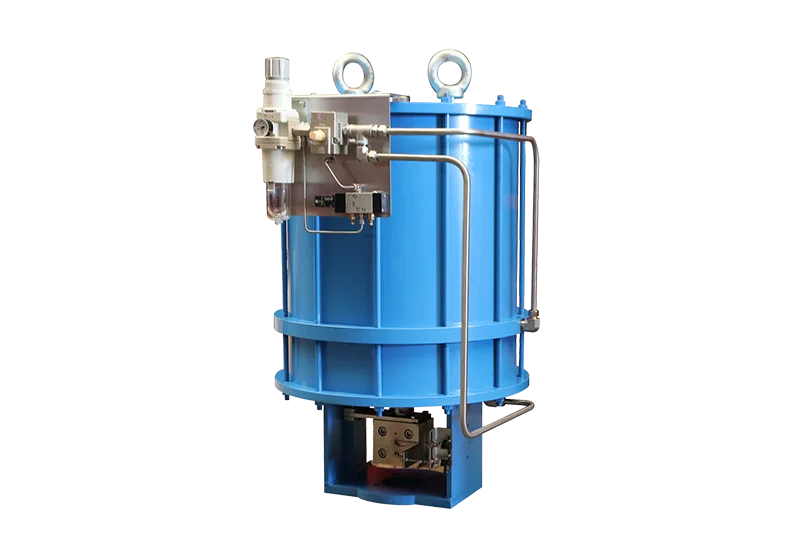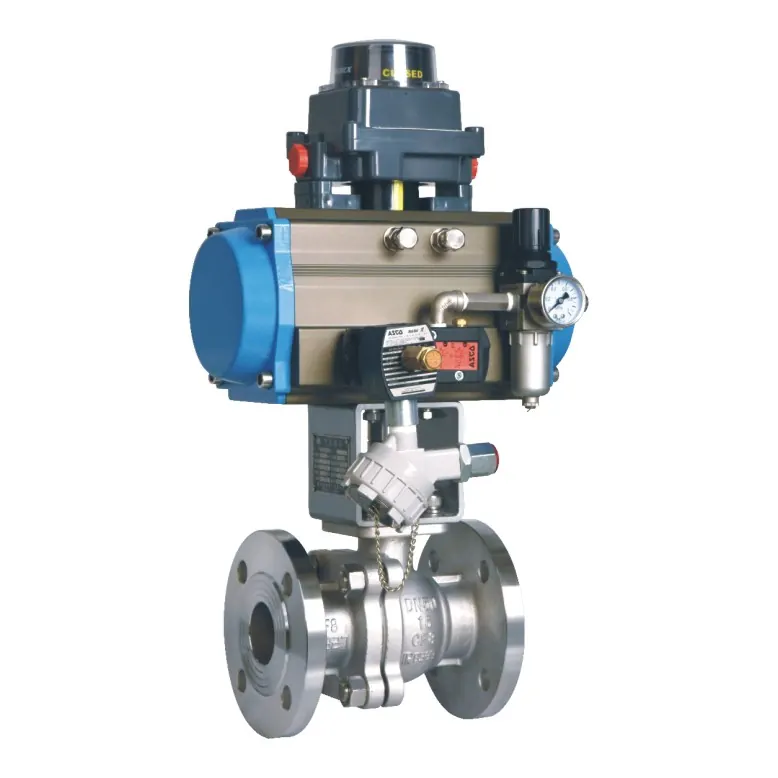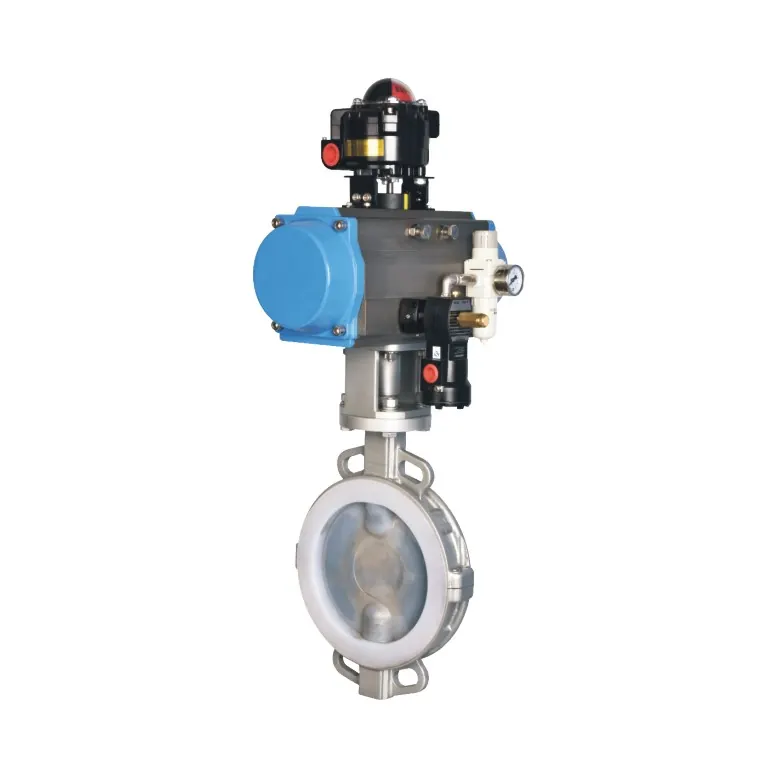
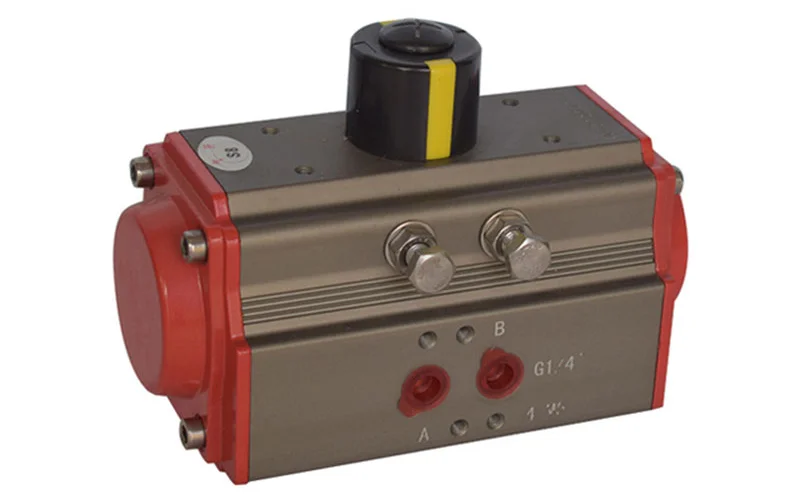
Single Acting Actuator: Spring Return and Sizing Guide
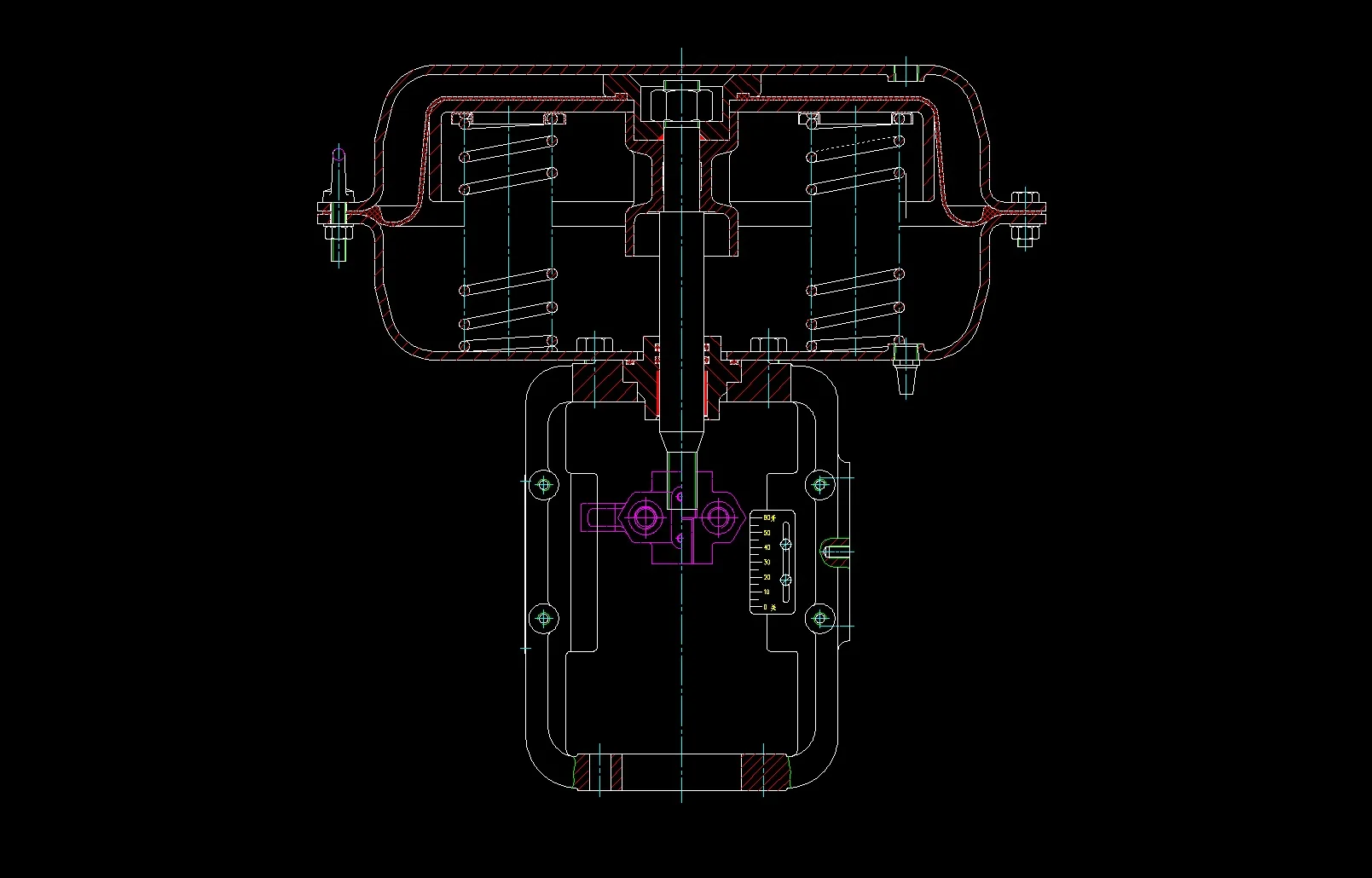
Learn how a single acting actuator uses spring return, how to select fail-open or fail-closed action, and how to check torque throughout the valve stroke.
Read the Guide →Stay informed with the latest factory updates, industry trends, trade show appearances, and technical insights from JIANENG Valve.
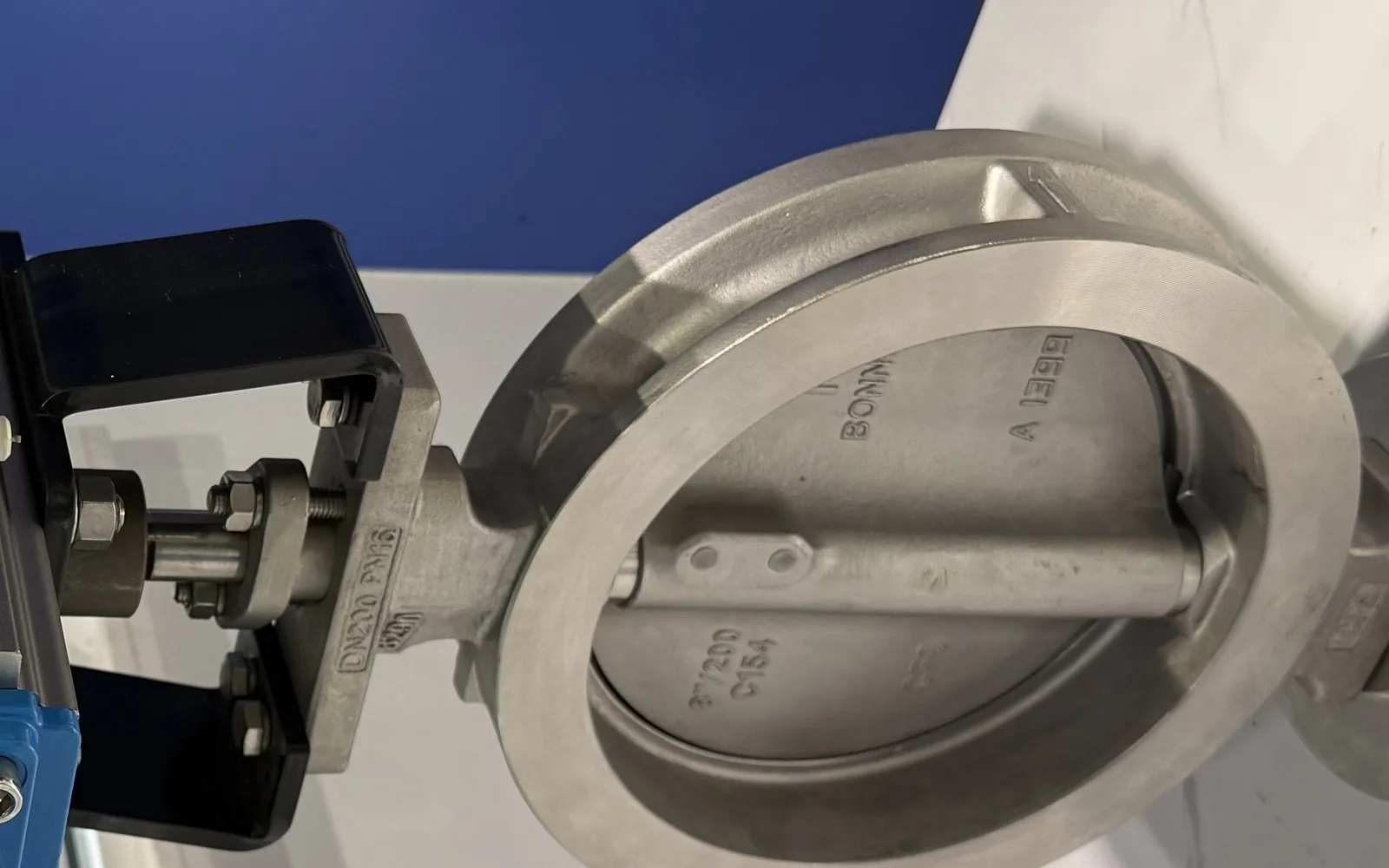
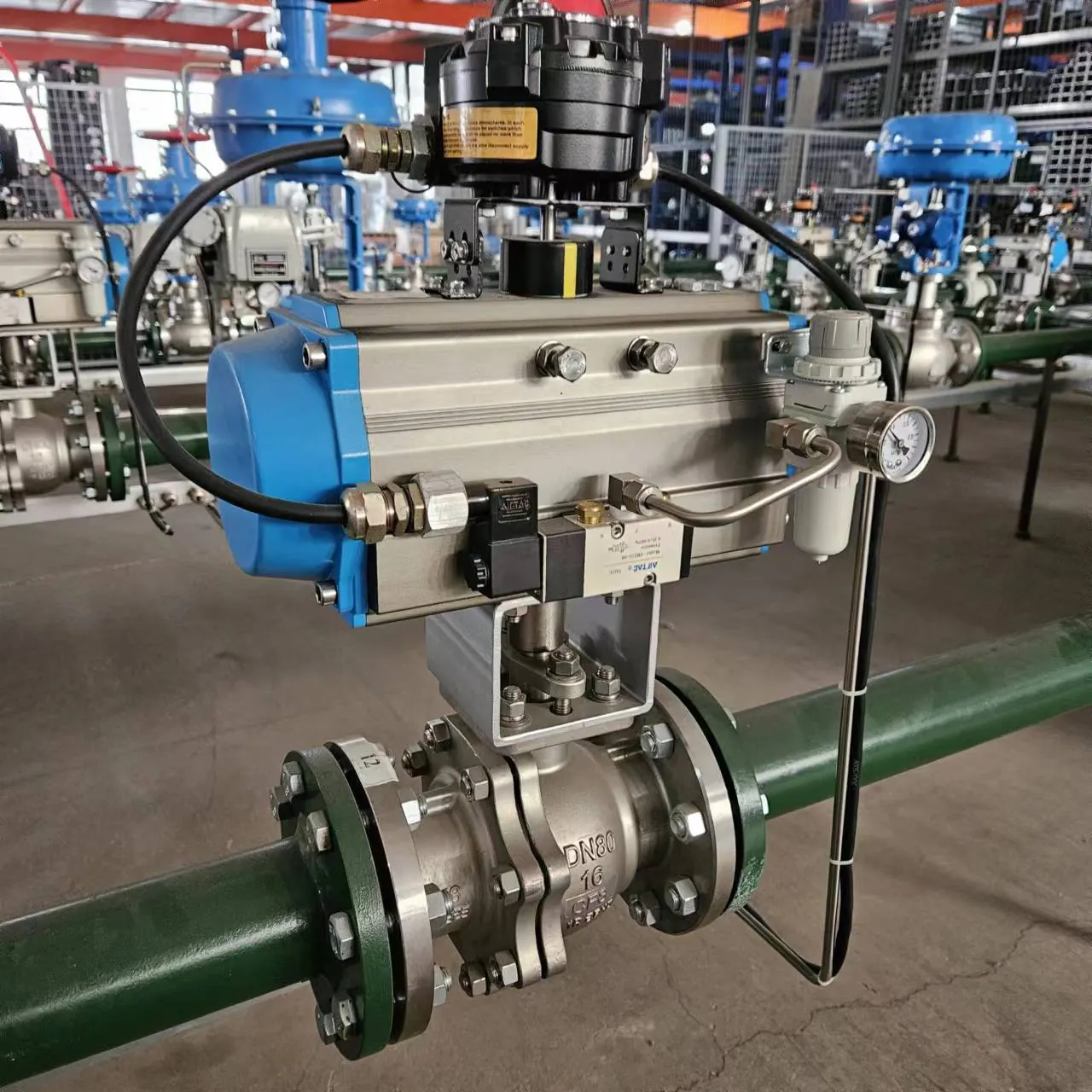
Learn how a single acting actuator uses spring return, how to select fail-open or fail-closed action, and how to check torque throughout the valve stroke.
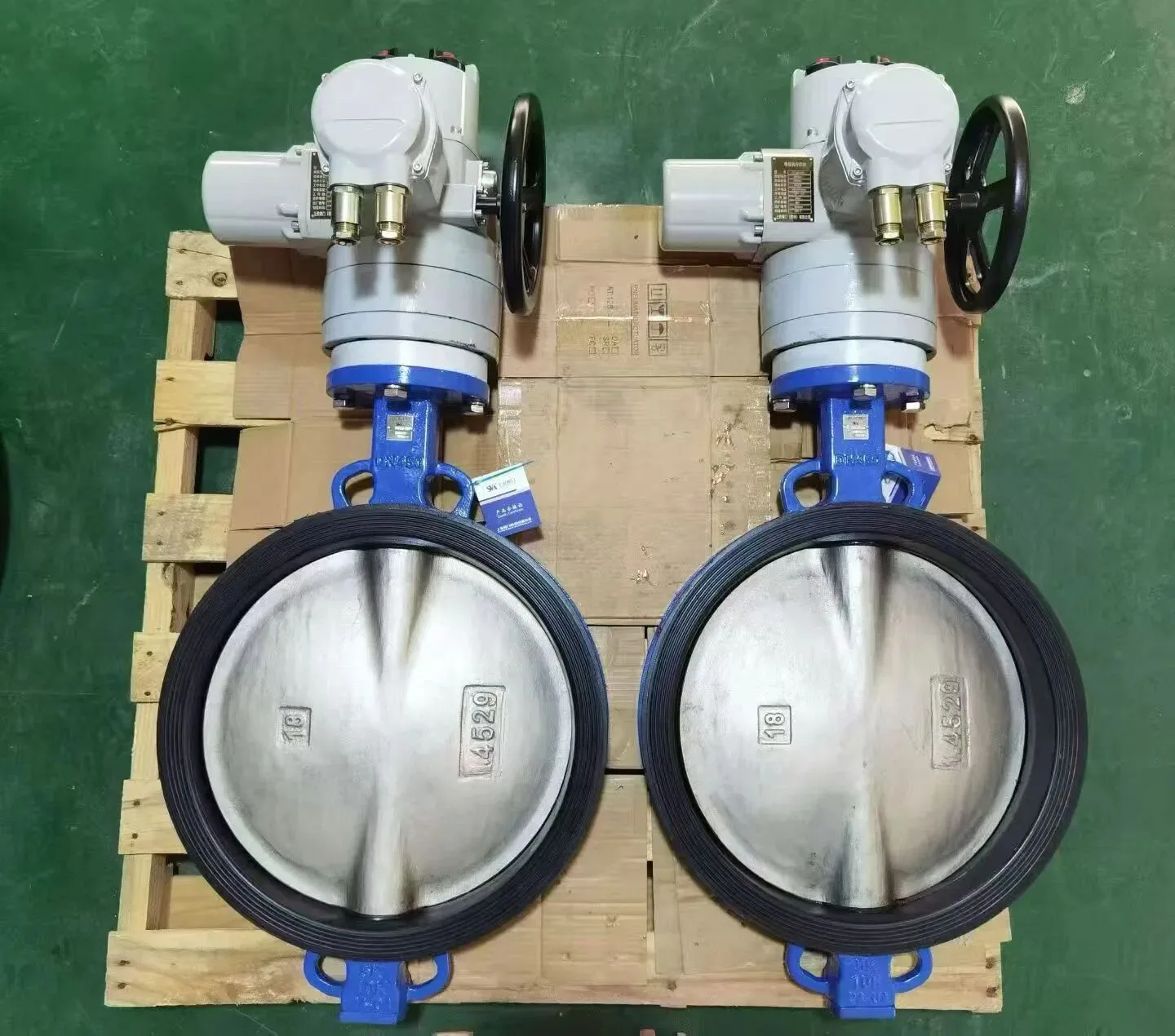
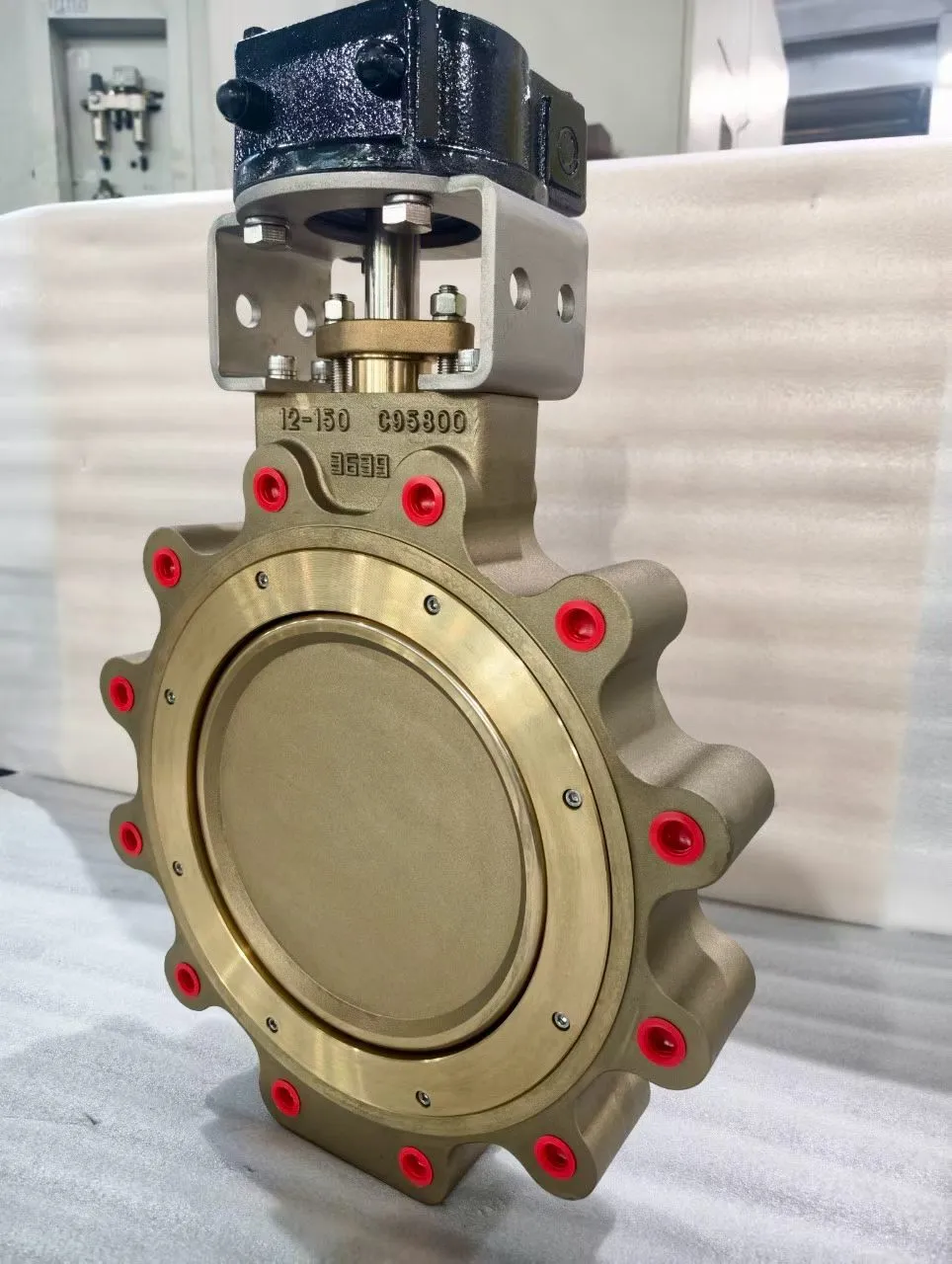
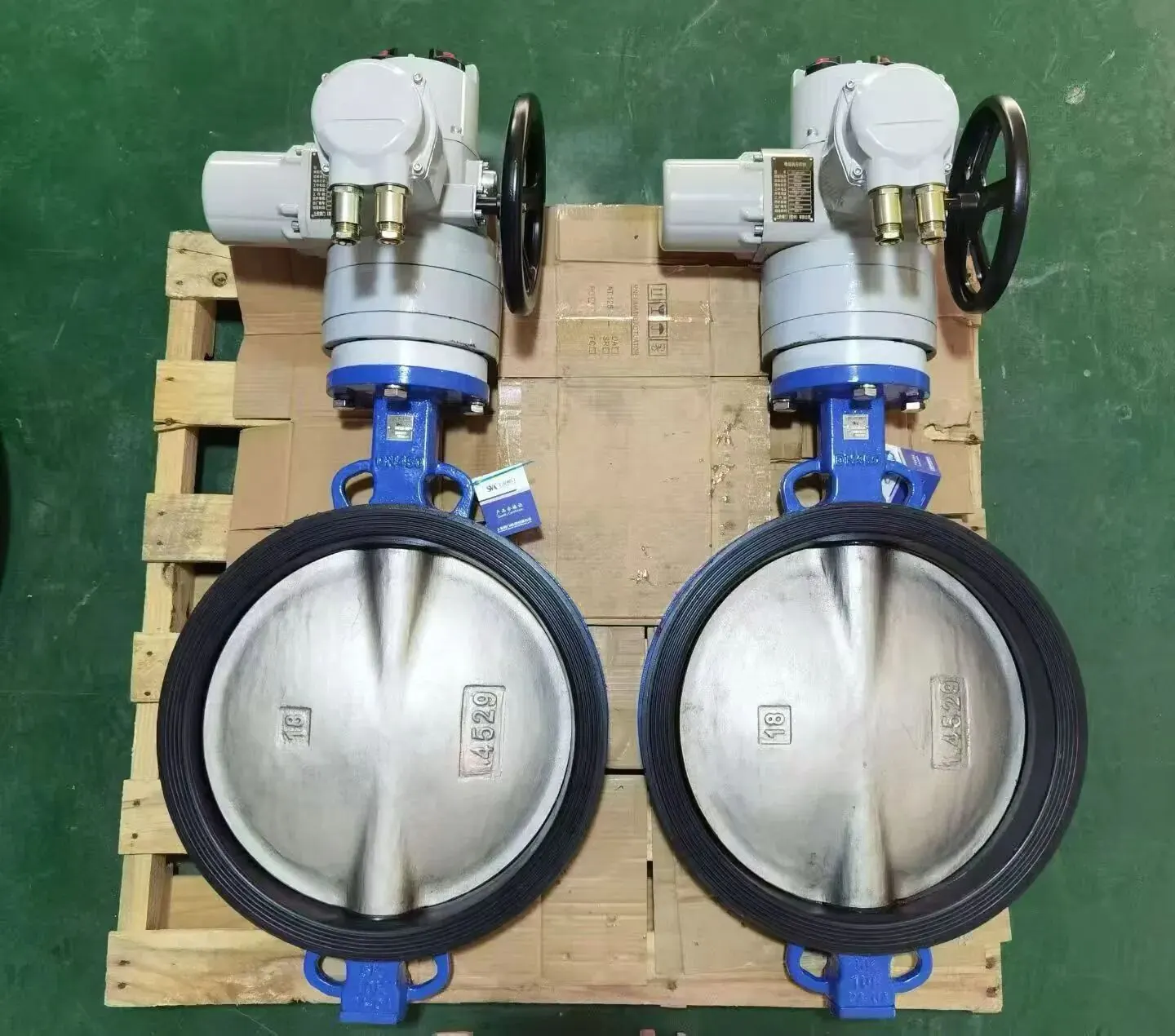
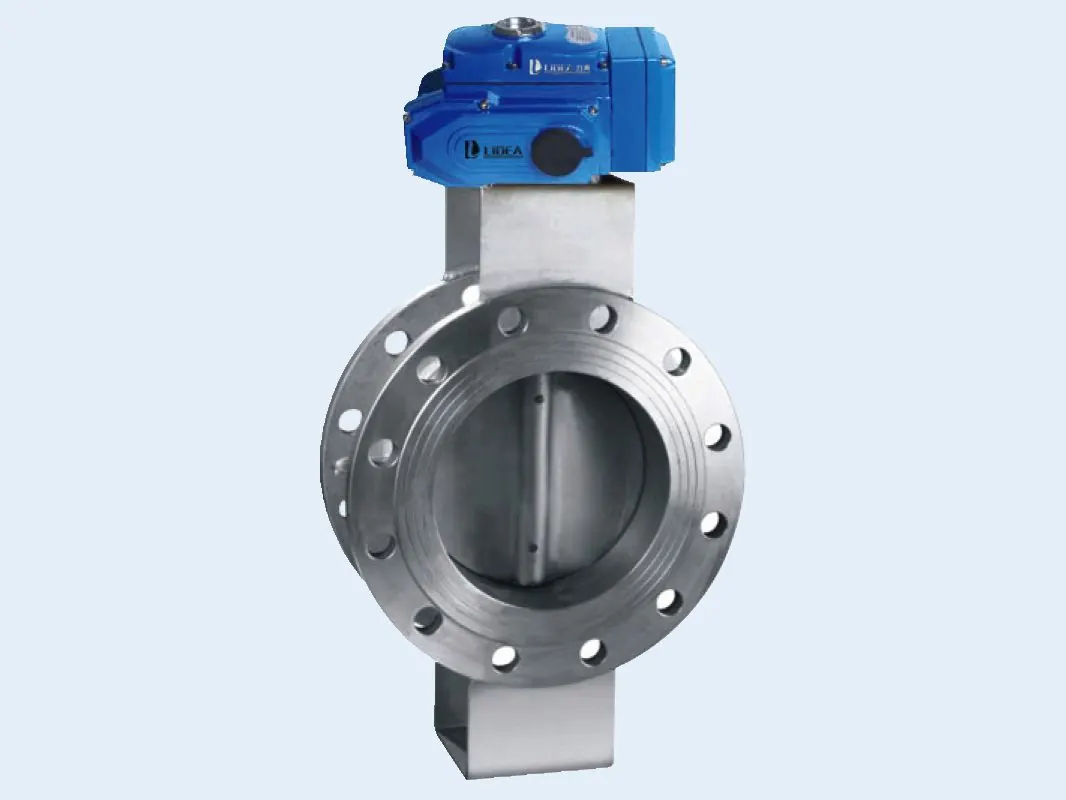
Read the Guide →Understand concentric butterfly valve design, resilient seats, flange fit and actuator sizing. Learn what to check before specifying a valve for your pipeline.
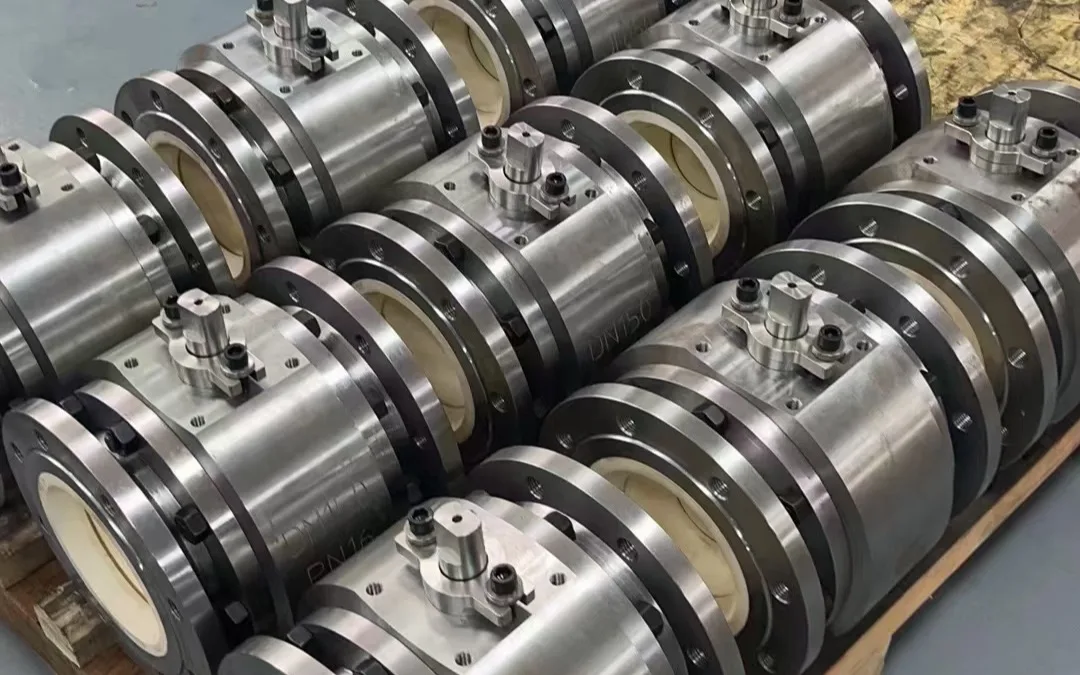
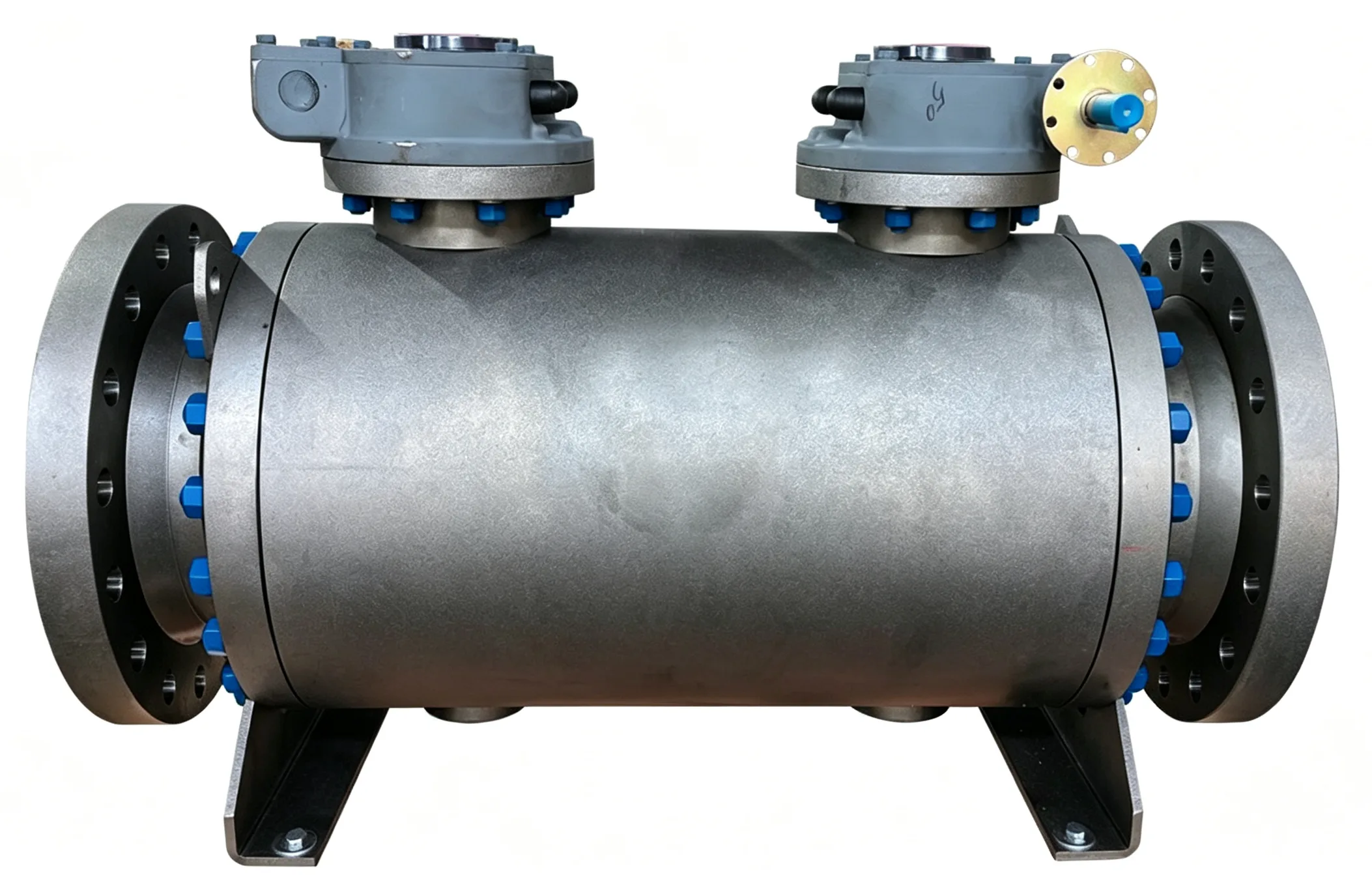
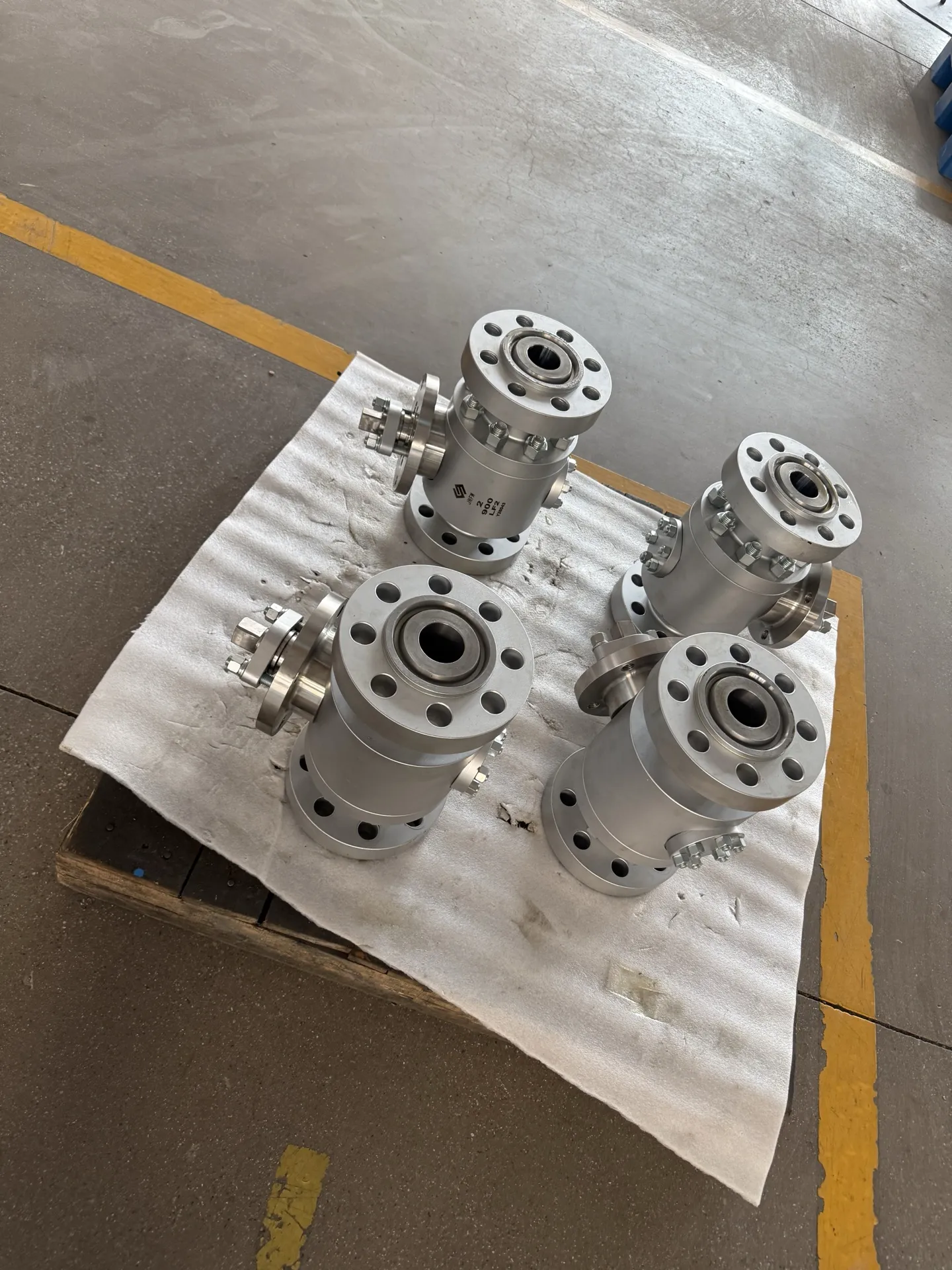
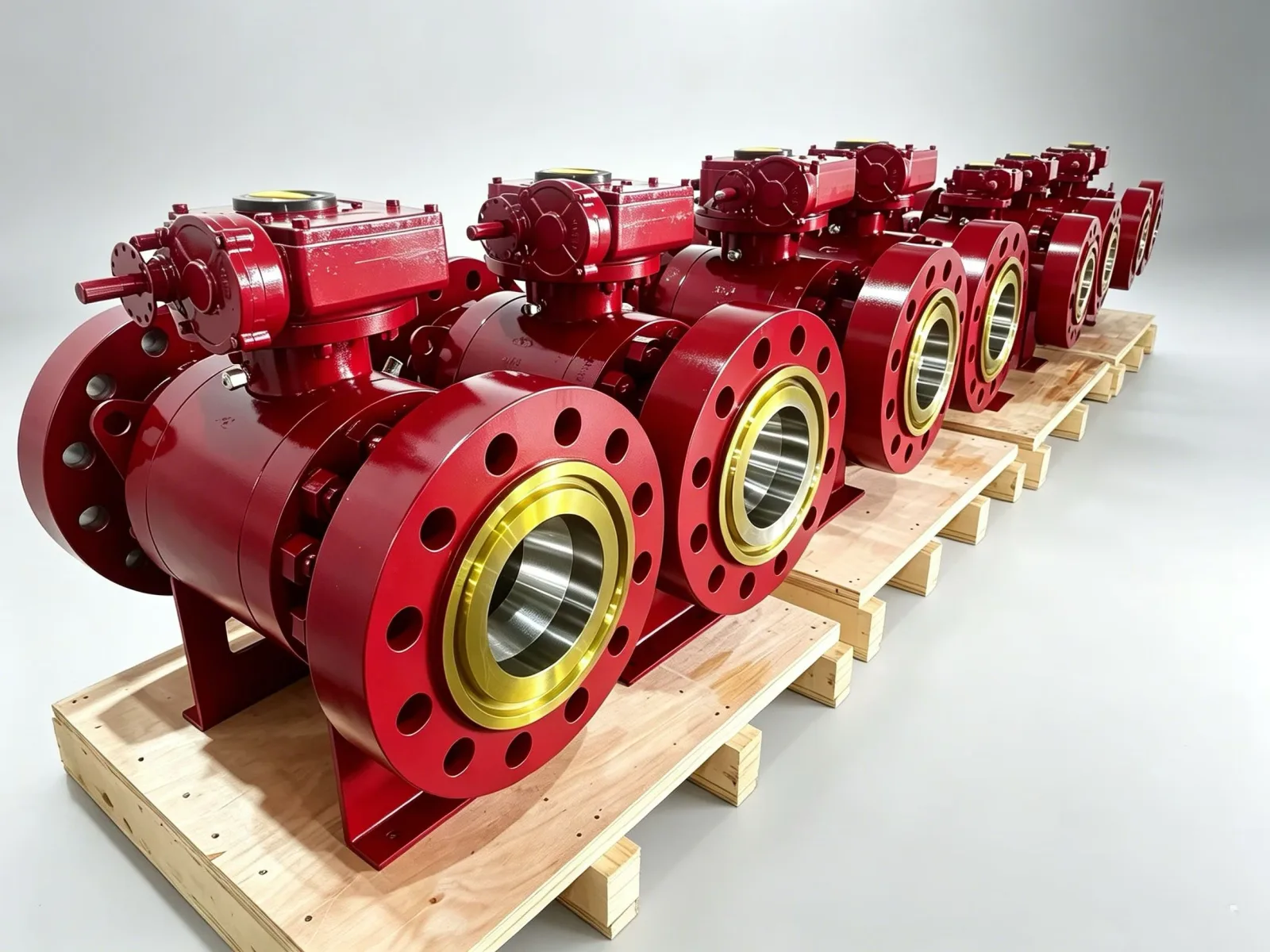
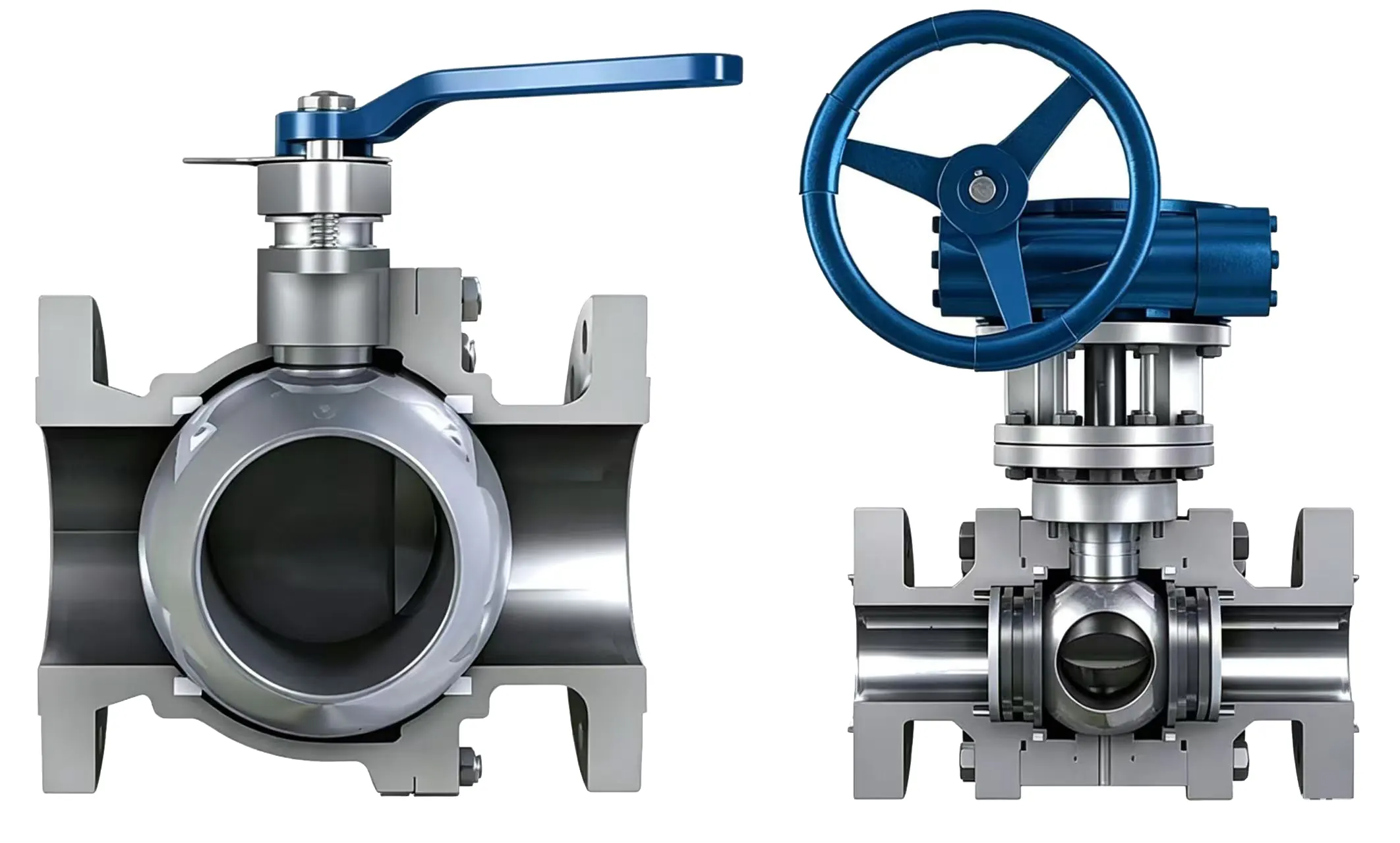
Read the Guide →Select a flanged ball valve by flange standard, pressure-temperature rating, bore, seats and actuator requirements. Use an RFQ and installation checklist.
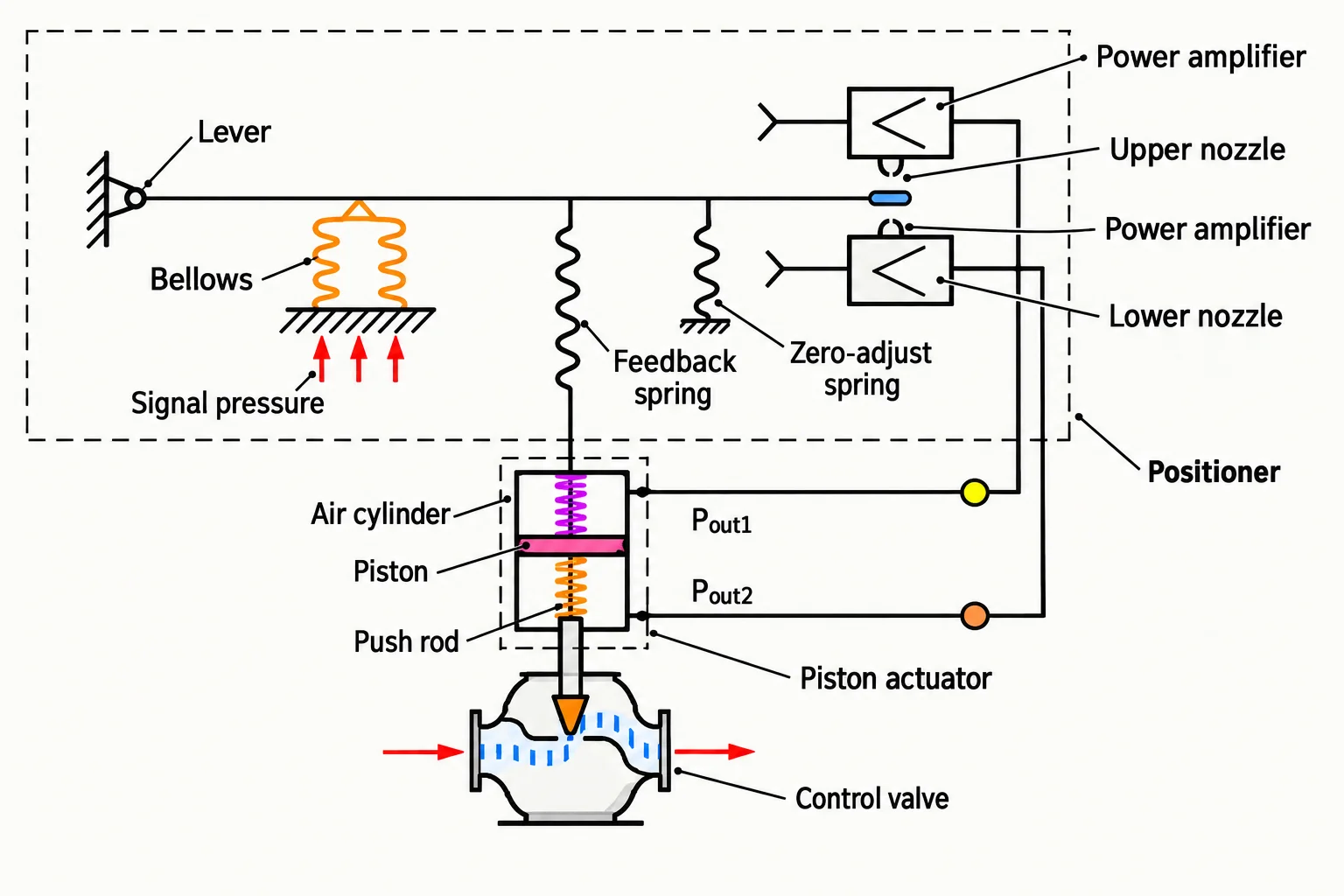
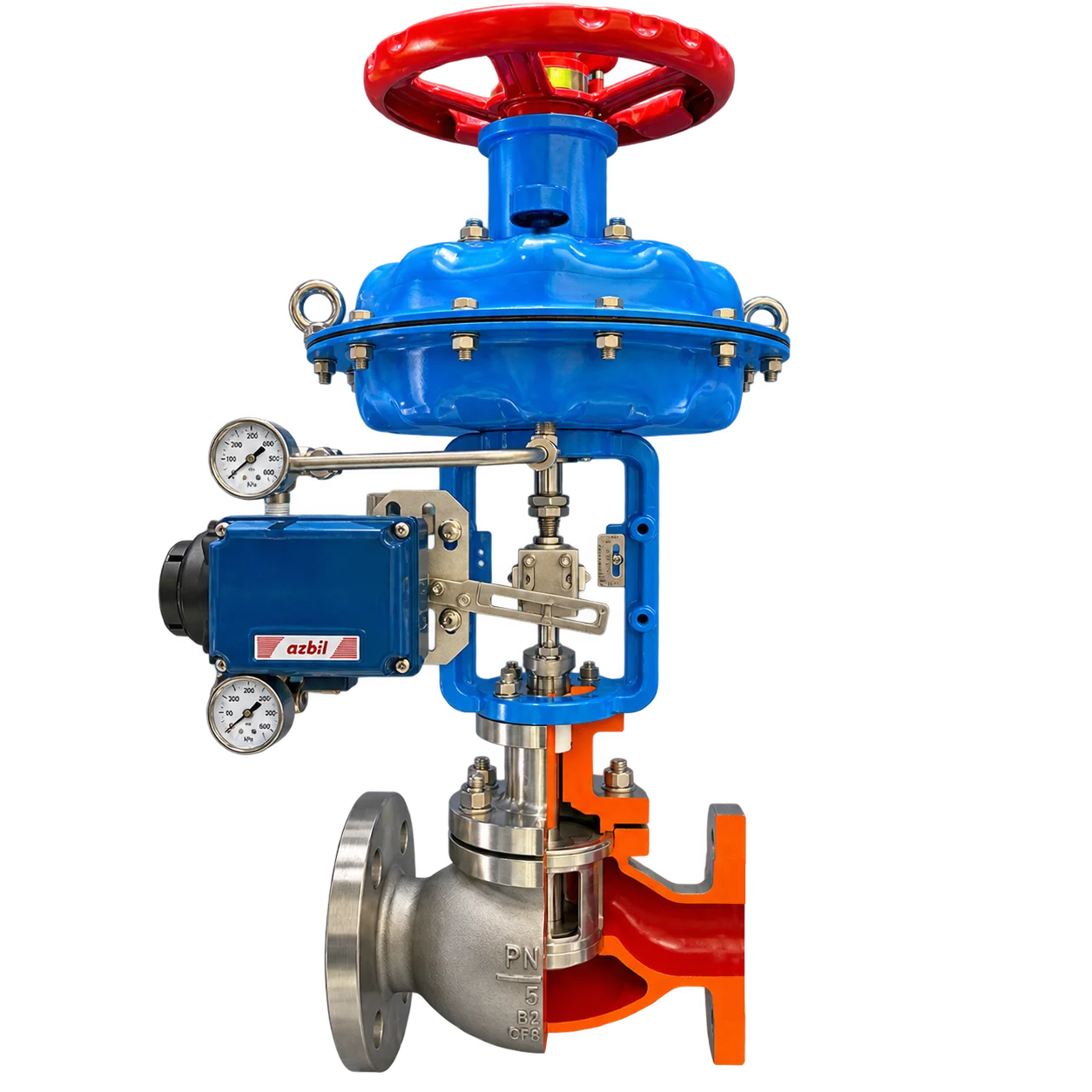
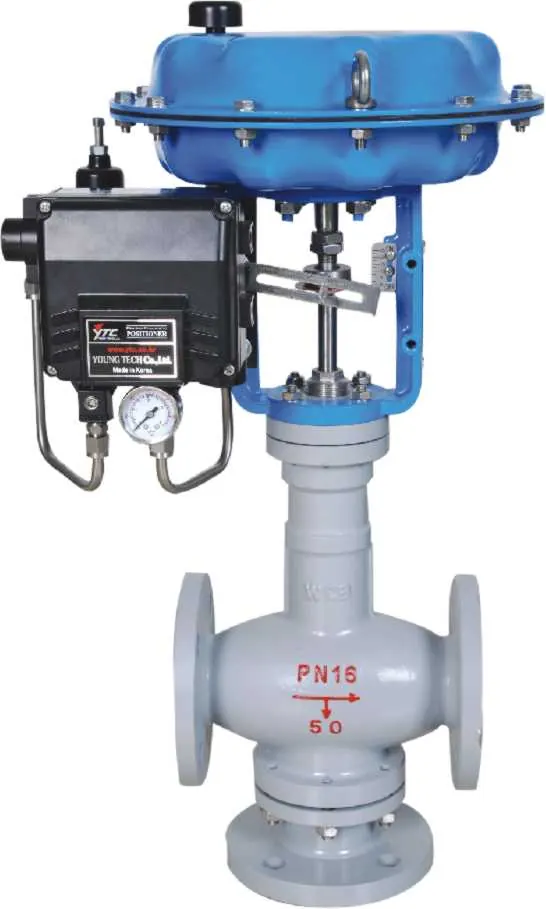
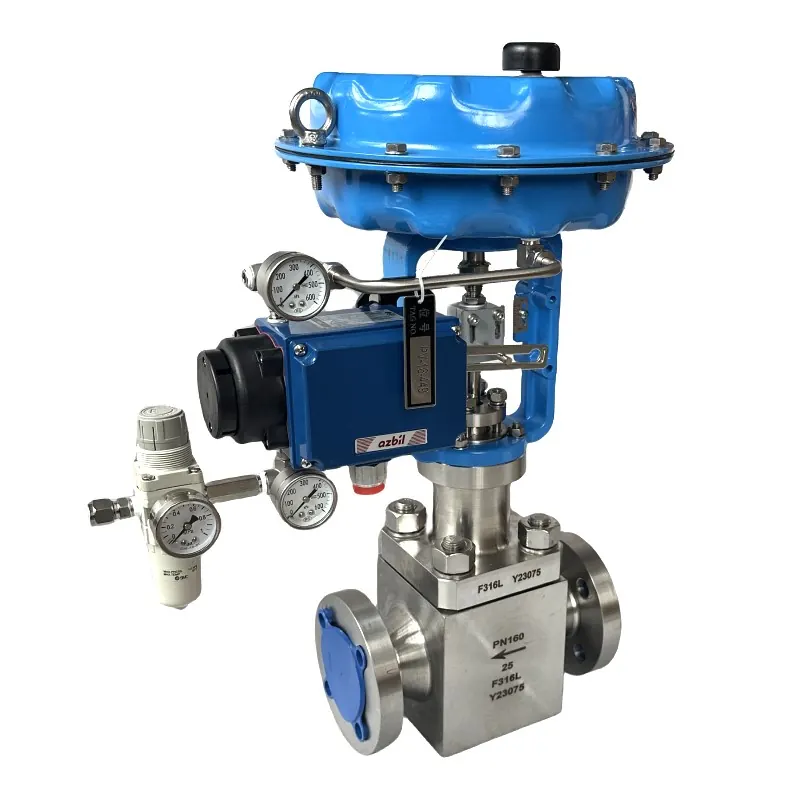
Read the Guide →Learn how a modulating valve controls flow, how it differs from on-off valves, and which sizing, signal and actuator details to include in your next RFQ.
Read the Guide →Critical service valve supply trends in August 2026: cryogenic capacity, service resilience, marine approval, API checks, and RFQ actions for industrial buyers.
Read the Industry Update →Learn how to select an electric valve actuator by motion, torque or thrust, voltage, duty cycle, speed, control, fail action and enclosure.
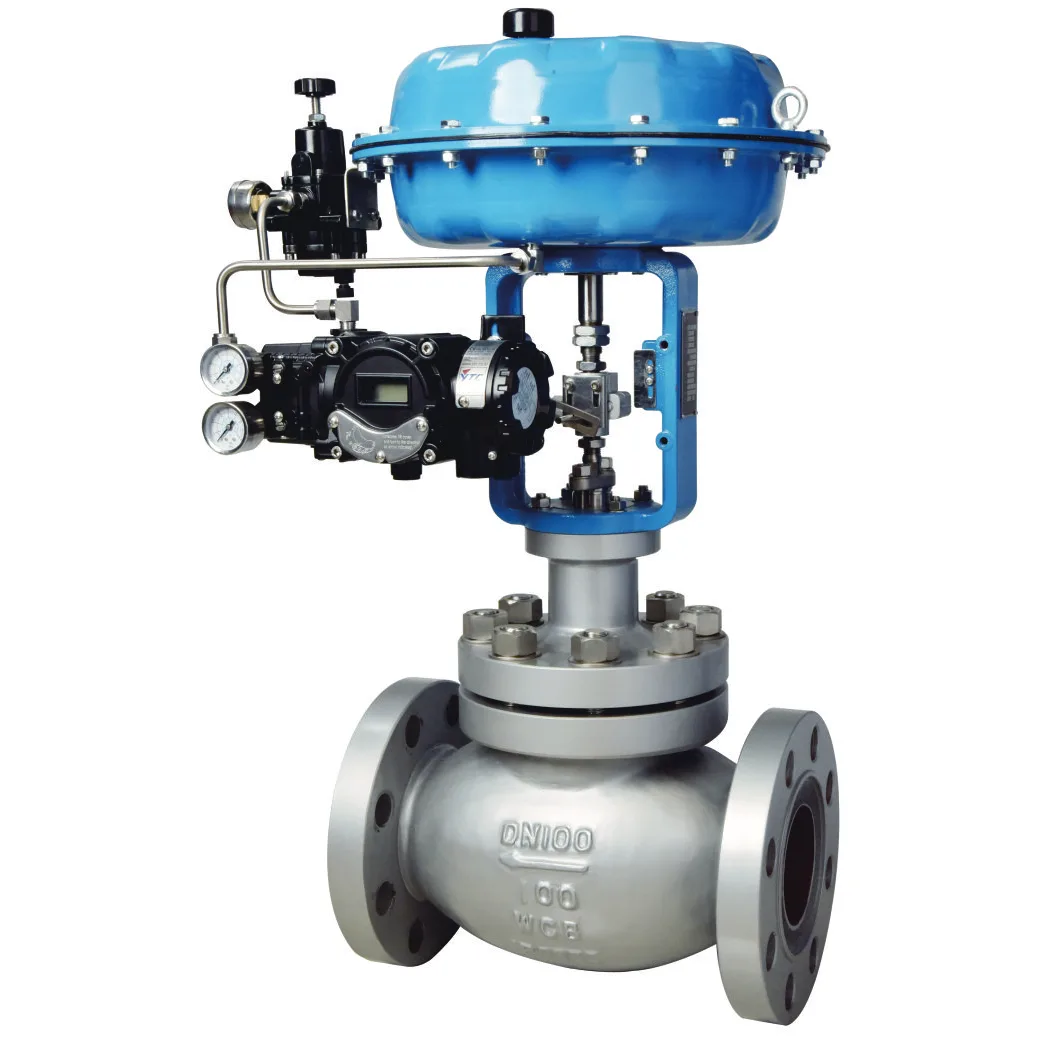
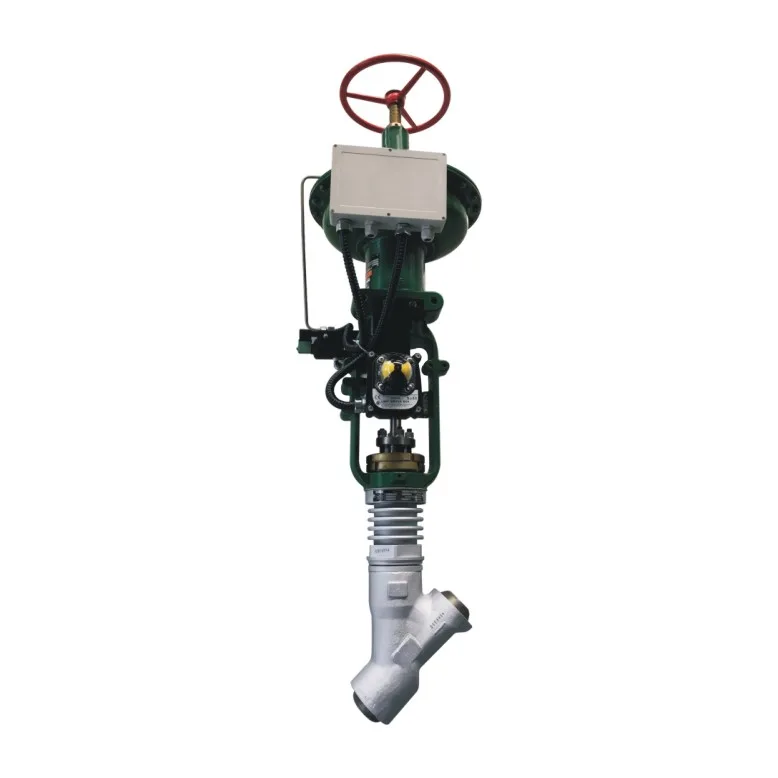
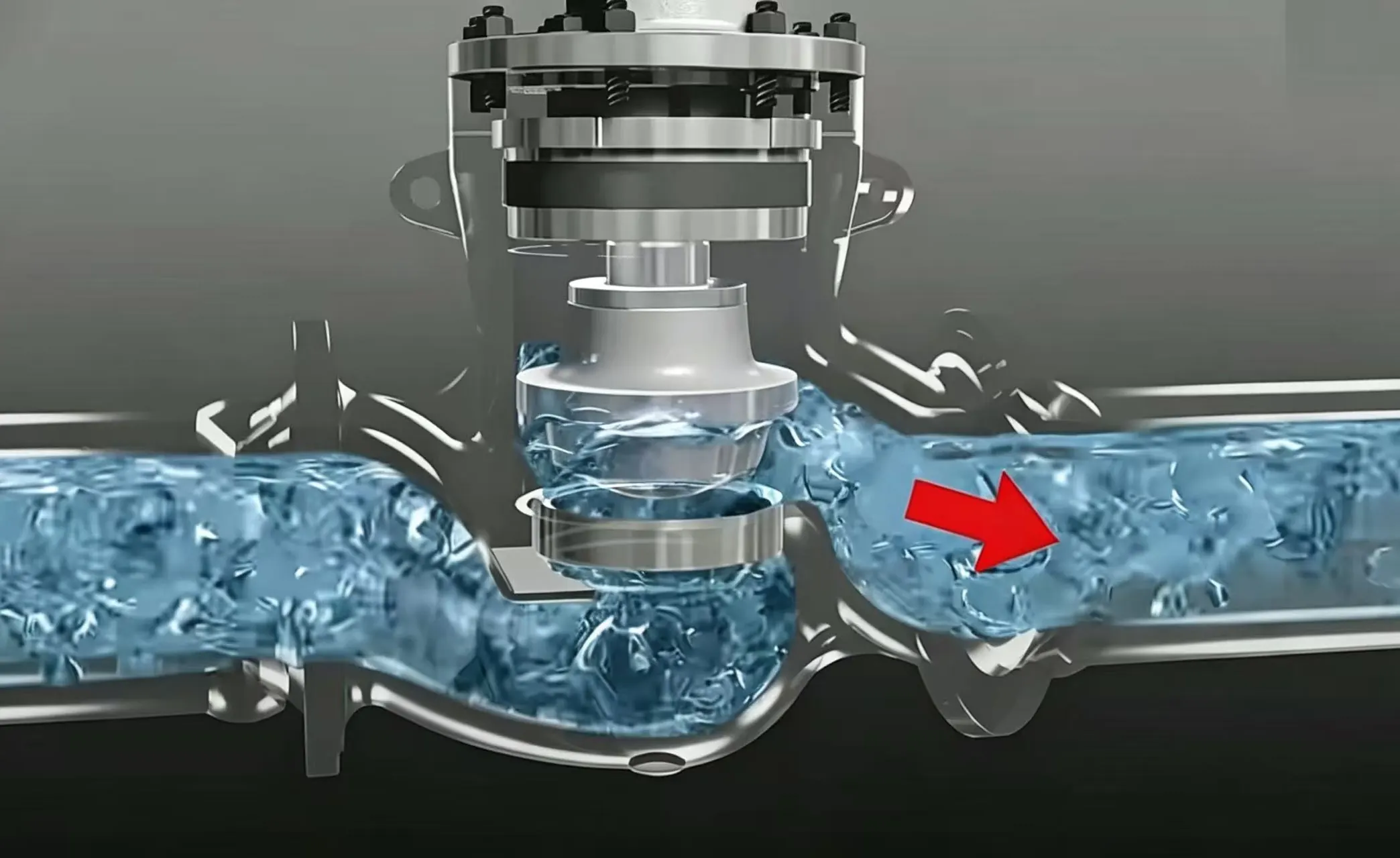
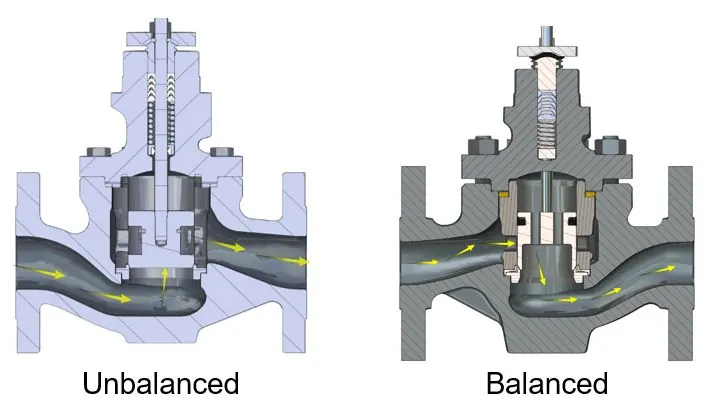
Read the Guide →Learn how a globe control valve works, the difference between single-seat, cage-guided, angle and three-way designs, and how to size trim, characteristic and actuator for steam, gas and liquid service.
Read the Guide →Learn how a double block and bleed valve works, how DBB differs from DIB, and what buyers must specify for seats, bleed, testing and safety.
Read the Guide →Compare pneumatic, electric and hydraulic control valve actuators, then size thrust or torque, fail action, signal, speed and accessories.
Read the Guide →Learn how to size and select a steam control valve using load, pressure, superheat, turndown, noise, actuator and installation requirements.
Read the Guide →Learn how a pressure independent control valve maintains design flow, where PICVs fit in HVAC systems, and how to select and commission one.
Read the Selection Guide →Learn how a triple eccentric butterfly valve works, where metal seating helps, and how to select body style, materials, actuator and test requirements.
Read the Selection Guide →Learn how to select a threaded ball valve by thread form (NPT, BSPT, BSPP), body design, bore, seat, pressure, temperature and installation requirements.
Read the Selection Guide →Learn how a butterfly valve gear type uses a worm gearbox to reduce handwheel effort, and how to check torque, ratio, stops, mounting and service conditions.
Read the Selection Guide →Learn how a float type steam trap continuously drains condensate, how float and thermostatic designs differ, and how to size, install and troubleshoot one.
Read the Guide →Use this ball valve standard guide to understand API 6D, API 608, ASME B16.34 and ISO 17292, plus testing, fire safety and RFQ requirements.
Read the Standard Guide →Learn how a flow control valve in a pneumatic system regulates cylinder speed, including meter-in, meter-out, one-way valves, setup and troubleshooting.
Read the Guide →Learn when to use a butterfly valve for throttling, how disc angle affects control, and how to check sizing, cavitation, torque, actuator and material selection.
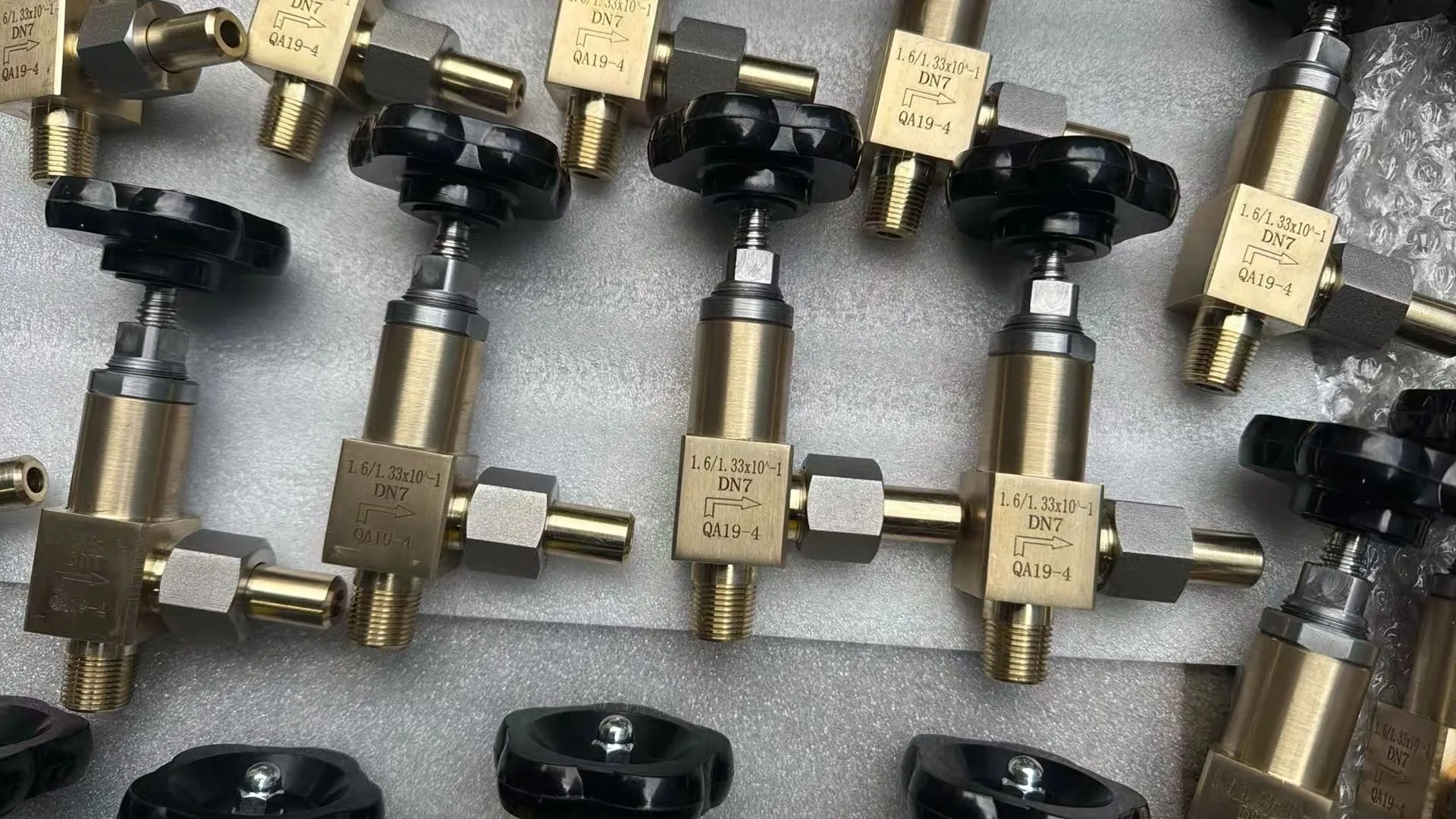
Read the Selection Guide →Compare needle valve body patterns, stem and seat designs, bonnet, packing and actuation, then use a practical selection and RFQ checklist.
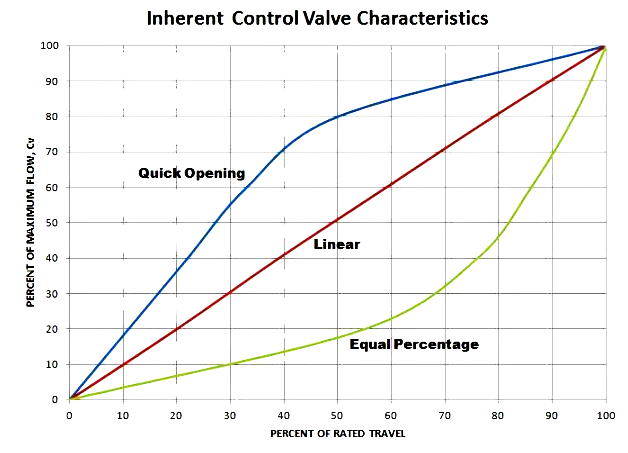
Read the Selection Guide →Learn how Cv, Kv, pressure drop, operating range, cavitation and actuator checks work together in a practical control valve sizing workflow.
Read the Sizing Guide →Compare ball valve types by body construction, ball support, bore, port arrangement, seat, connection and operation, with a practical selection and RFQ checklist.
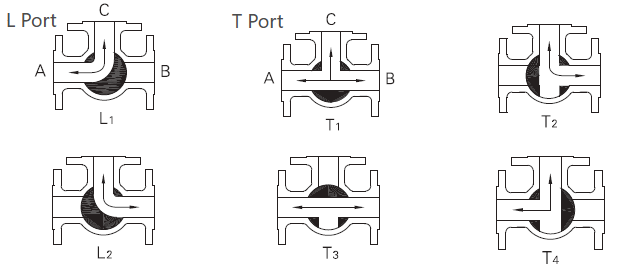
Read the Guide →Compare L-port and T-port three way valves by flow pattern, mixing and diverting functions, actuator rotation, shutoff behavior and industrial applications.
Read the Guide →Learn how 3-way valves mix, divert and switch flow, and how L-port, T-port, ball and globe control valve designs fit different industrial applications.
Read the Guide →Compare motorized ball valves and motorized butterfly valves by flow capacity, pressure, size, cost, actuator control and industrial applications.
Read the Guide →Learn why globe valves suit throttling, how they compare with ball, butterfly and needle valves, and what operating data matters for selection.
Read the Guide →Compare pneumatic and electric valves by speed, fail-safe action, utilities, control, maintenance and total installed cost.
Read the Comparison →Compare trunnion mounted and floating ball valves by design, sealing, torque, pressure, API 6D requirements, cost and practical applications.
Read More →Compare lugged and wafer type butterfly valve designs by mounting method, end-of-line service, installation, cost, maintenance and typical applications.
Read More →Compare globe, cage guided, eccentric butterfly, V-ball and eccentric rotary control valves by motion type, control strengths, limitations and typical industrial applications.
Read More →Explore why China's pneumatic control valve manufacturing is mature, where export challenges remain, and how capable manufacturers can support global buyers directly.
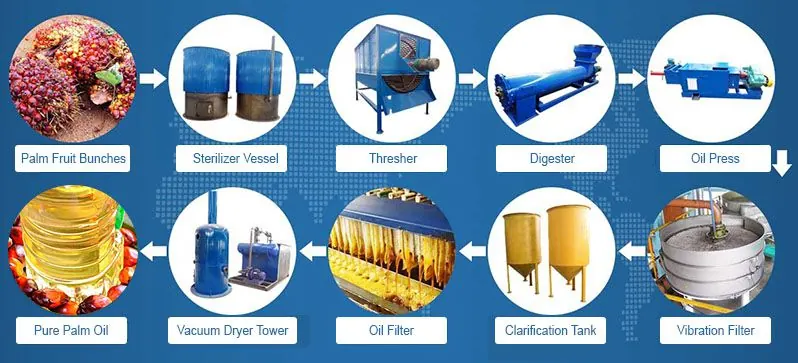
Read More →Learn how pneumatic V-notch ball valves support Indonesia palm oil mill applications where fibrous, particle-containing and slurry-like media need reliable flow control.
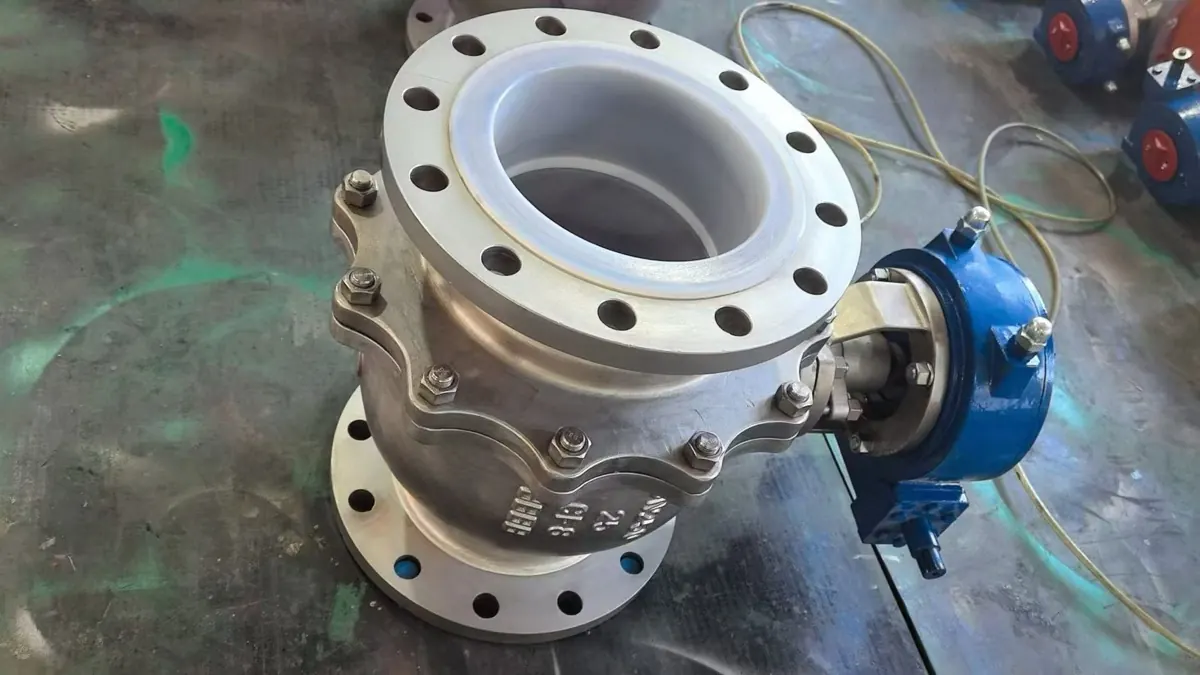
Read More →Learn how PTFE, FEP/F46 and PFA lined valves protect chemical pipelines, including common valve types, corrosive media applications and selection factors.
Read More →Compare full port and reduced port ball valves by bore size, flow capacity, pressure drop, Cv value, cost and practical piping system applications.
Read More →Learn how valves support data center cooling, utility, power and safety systems, including practical selection notes for control valves, butterfly valves, ball valves and actuators.
Read More →