Ball valves are selected for fast quarter-turn operation, reliable shutoff and simple maintenance. But not every ball valve gives the same flow performance. One of the most important design choices is whether to use a full port ball valve or a reduced port ball valve.
A full port ball valve has a bore size very close to the internal diameter of the pipe, allowing fluid to pass with minimal pressure loss. A reduced port ball valve has a smaller bore, which creates a narrower flow path. This difference affects flow capacity, pressure drop, pumping energy, pigging capability, cost, weight and long-term system performance.
For engineers, buyers and maintenance teams, the choice is not simply "full port is better" or "reduced port is cheaper." The right valve depends on what the piping system needs: maximum flow, low pressure loss, compact size, lower cost, easy cleaning or acceptable throttling loss.
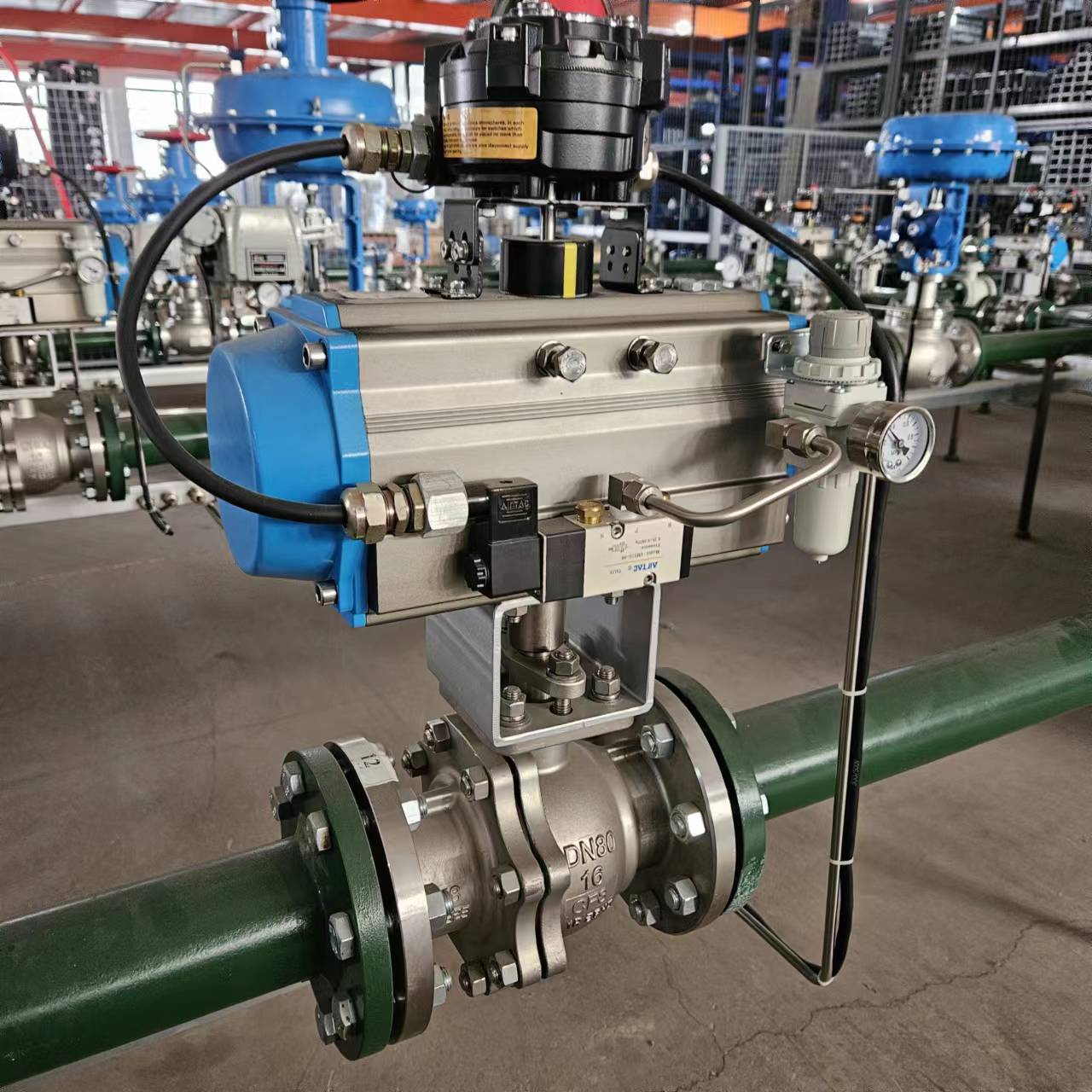
What Is a Full Port Ball Valve?
A full port ball valve is designed with a ball opening that is nearly the same size as the pipe's inside diameter. When the valve is fully open, the flow path is straight and relatively unrestricted. A full port ball valve helps the pipeline behave as if the valve were almost just another section of pipeline.
Full port ball valves are commonly used when the system needs:
- Maximum flow capacity.
- Low pressure drop.
- Minimal turbulence.
- Pigging or pipeline cleaning access.
- High-efficiency pumping.
- Lower risk of media buildup at the valve bore.
- Consistent line diameter through the valve.
What Is a Reduced Port Ball Valve?
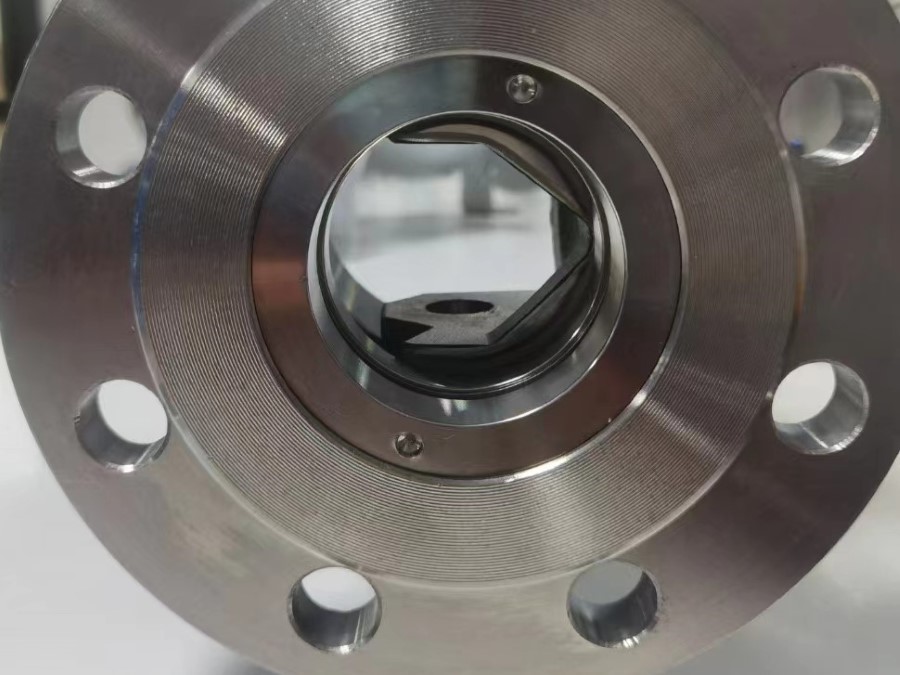
A reduced port ball valve, also called a reduced bore or standard port ball valve, has a ball opening smaller than the pipe's internal diameter. The flow enters the valve, contracts through the smaller bore and then expands back into the downstream pipe.
This narrower flow path increases velocity through the valve and creates more pressure difference. For many general shutoff applications, the pressure loss is acceptable because the valve is not the main limiting component in the system.
Reduced port ball valves are commonly used when the system needs:
- Reliable on/off isolation at a lower cost.
- Smaller valve body and lower weight.
- Compact installation.
- Acceptable pressure loss.
- General water, air, gas, oil or utility service.
- Applications where maximum flow is not critical.
Full Port vs. Reduced Port Ball Valves at a Glance
| Comparison factor | Full port ball valve | Reduced port ball valve |
|---|---|---|
| Bore size | Close to pipe inside diameter | Smaller than pipe inside diameter |
| Flow capacity | Higher | Lower |
| Pressure drop | Lower | Higher |
| Fluid velocity through valve | Lower and more consistent | Higher through the narrowed bore |
| Turbulence | Lower | Higher at contraction and expansion points |
| Pigging capability | Usually suitable when specified as full bore | Usually not suitable |
| Operating torque | Often higher | Often lower |
| Best use | High-flow, low-loss or cleanable pipelines | General isolation where pressure loss is acceptable |
How Bore Size Affects Flow Capacity
Flow capacity depends on the size and shape of the path available to the fluid. In a ball valve, the most important restriction is the bore through the ball. A larger bore allows more fluid to pass at a given pressure drop, while a smaller bore limits flow and raises velocity.
The relationship is not linear. A small reduction in bore diameter can create a much larger reduction in flow area because circular area is based on diameter squared. That is why two valves with the same nominal pipe size can behave differently in operation. A 2 inch full port ball valve and a 2 inch reduced port ball valve may both connect to the same pipe size, but the reduced port model may have an internal flow path closer to the next smaller pipe size.
Pressure Drop: The Main Flow Capacity Difference
Pressure drop is the pressure loss that occurs as fluid passes through a valve. In a full port ball valve, the open bore is close to the pipe diameter, so the pressure drop is usually very low. In a reduced port ball valve, the smaller bore creates a restriction, so pressure drop is higher.
For low-flow or short piping systems, this difference may not matter much. For high-flow systems, long pipelines or pump-limited circuits, it can become important. Extra pressure drop can reduce delivered flow, increase pump energy consumption or require a larger pump to maintain the same system performance.
Reduced port valves can also create higher local velocity through the valve. Higher velocity may increase noise, vibration, erosion risk or turbulence in some services, especially when the medium contains particles, slurry or abrasive components.
Cv and Kv: Better Ways to Compare Valve Flow
Cv is a flow coefficient commonly used in imperial units. It represents the number of U.S. gallons per minute of water at 60 degrees Fahrenheit that will pass through a valve with a 1 psi pressure drop. Kv is the metric equivalent, often used in cubic meters per hour with a 1 bar pressure drop.
A higher Cv or Kv means the valve can pass more flow at the same pressure drop. Full port ball valves generally have higher Cv values than reduced port ball valves of the same nominal size.
When evaluating a valve datasheet, compare:
- Full port Cv versus reduced port Cv for the same nominal size.
- Required system flow rate.
- Maximum acceptable valve pressure drop.
- Whether the valve will remain fully open or be used for partial throttling.
- Whether the system has future flow expansion requirements.
Ball valves are primarily on-off valves. Although they can be partially opened, standard ball valves are not ideal for precise throttling because flow changes quickly near the open position and seat wear may increase. If the application requires accurate modulation, a control valve, V-port ball valve or characterized ball valve may be a better option.
Flow Capacity Example: Why the Difference Matters
Imagine a piping system where the pump must deliver a fixed flow rate to downstream equipment. If the valve has a full port bore, it adds relatively little resistance. If the valve has a reduced port bore, the flow must accelerate through a smaller opening and then expand again. This creates additional pressure loss.
If the pump has enough pressure margin, the system may still meet the required flow. If the pump is already near its limit, the added pressure drop can reduce flow below the target. In a cooling system, that may affect heat transfer. In a fuel transfer system, it may increase filling time. In a compressed air system, it may reduce available pressure at the point of use.
| Industry or system | Common choice | Reason |
|---|---|---|
| Chemical process piping | Full port or selected by Cv | Maintains flow and supports cleaning or flushing |
| Water treatment | Full port for main lines, reduced port for utility lines | Balances flow efficiency and cost |
| HVAC and cooling systems | Full port on critical branches, reduced port on non-critical isolation | Reduces pressure loss where pump energy matters |
| Oil and gas | Full port for piggable or high-flow lines | Supports pigging and minimizes restriction |
| Compressed air | Full port on headers, reduced port on small branches | Protects pressure and energy efficiency |
| General factory utilities | Reduced port often acceptable | Reliable isolation with lower cost |
Common Mistakes When Comparing Valve Ports
One common mistake is assuming that nominal pipe size equals internal flow capacity. It does not. Always confirm the actual bore diameter or Cv value.
Another mistake is choosing reduced port valves everywhere to save cost. The initial savings can disappear if the system later needs a larger pump, higher energy use or rework due to insufficient flow.
The best specification usually uses both designs: full port valves where flow performance matters, and reduced port valves where compact size and cost efficiency are more important.
Final Thoughts
Full port and reduced port ball valves can both provide reliable shutoff, but they are not equal in flow capacity. A full port ball valve offers a larger bore, higher Cv, lower pressure drop and better suitability for pigging or high-flow service. A reduced port ball valve offers a smaller, lighter and more economical design for general isolation where pressure loss is acceptable.
For critical piping systems, the best decision should be based on actual flow rate, allowable pressure drop, valve Cv, bore size, medium characteristics and long-term operating cost. When the valve is part of a high-flow or energy-sensitive system, the higher upfront cost of a full port ball valve can often be justified. When the valve is used for standard isolation, a reduced port valve may deliver the right balance of performance and value.
FAQ
What is the difference between a full port and reduced port ball valve?
A full port ball valve has a bore close to the pipe's internal diameter, which allows higher flow and lower pressure drop. A reduced port ball valve has a smaller bore, so it creates more restriction but is usually more compact and economical.
Does a full port ball valve have better flow capacity?
Yes. A full port ball valve normally has higher flow capacity than a reduced port ball valve of the same nominal pipe size because the bore through the ball is larger.
When should I use a reduced port ball valve?
Use a reduced port ball valve for general isolation, utility lines, drain and vent lines, compact skid systems and applications where some pressure drop is acceptable.
Can a reduced port ball valve be used for throttling?
A standard reduced port ball valve can be partially opened, but it is not designed for precise flow control. For throttling or modulation, consider a control valve, V-port ball valve or characterized ball valve.
How do I compare flow capacity between two ball valves?
Check the valve's Cv or Kv value, actual bore diameter, pressure rating and manufacturer flow data. Do not rely only on nominal pipe size, because full port and reduced port valves of the same nominal size can have different internal flow areas.
Need Help Selecting Ball Valves?
JIANENG Valve supplies floating ball valves, trunnion mounted ball valves, top entry ball valves, V-notch ball valves and customized valve packages for industrial piping systems.
Contact Our Technical Team